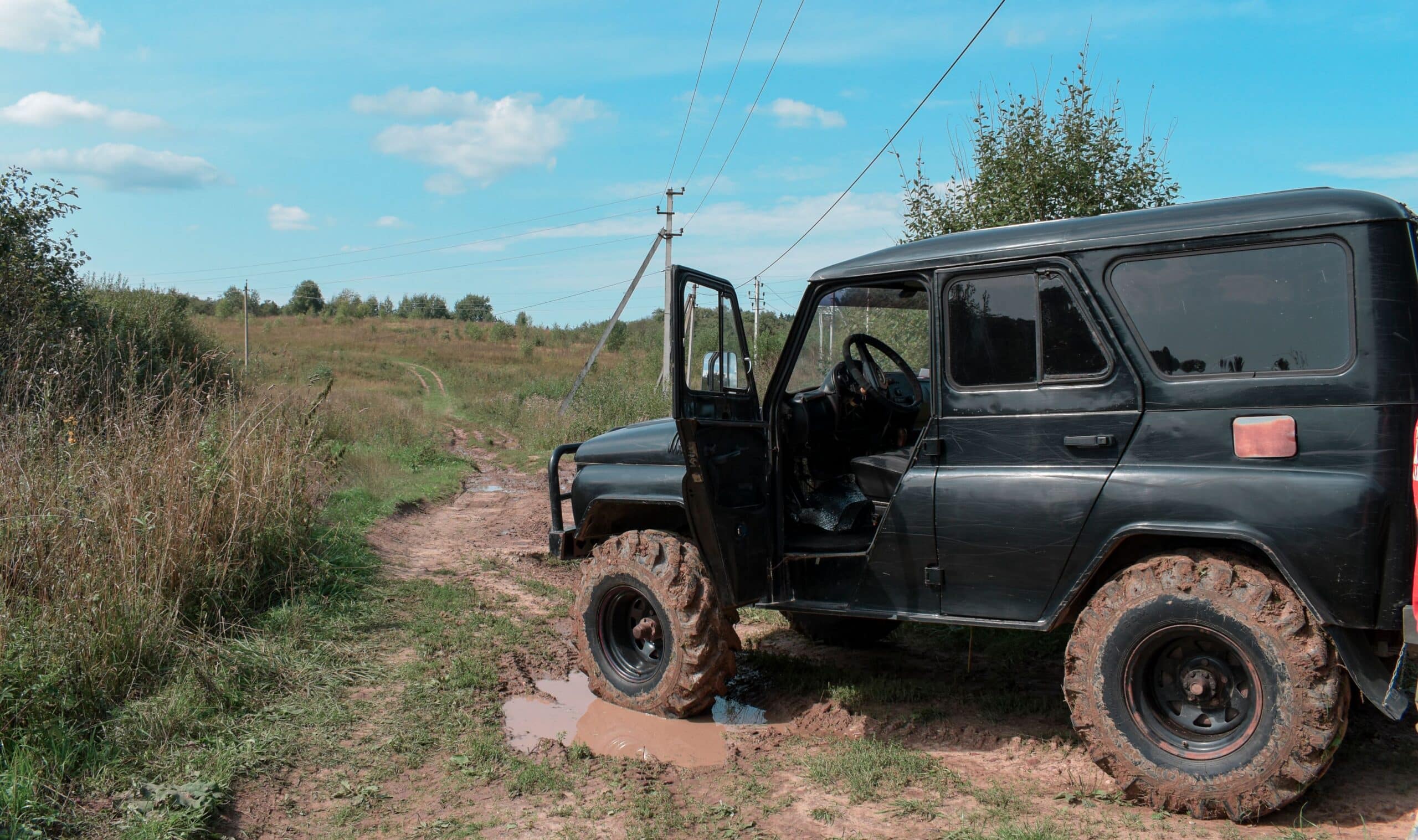
You own an all-terrain vehicle (ATV) worth several thousand dollars, and you have nowhere to put it. That’s a real problem, and it has real solutions, but the right one depends on your budget, how often you ride, and how much protection the machine actually needs between rides.
Storage options for ATV owners without home space fall into three broad categories: outdoor arrangements, shared or rented space, and dedicated vehicle storage facilities. Each one involves different trade-offs around cost, security, and weather protection. This guide covers each option honestly so you can make the right call for your situation.
Why Home Storage Often Isn’t an Option
The simplest form of ATV storage is often home storage. It’s convenient, it’s free, and it means the ATV is always close when you want to ride. For a lot of owners, though, home storage simply isn’t possible, and not because they haven’t thought about it.
HOA and Ordinance Restrictions
Many homeowners association (HOA) communities explicitly prohibit outdoor storage of off-road vehicles under their CC&Rs. These restrictions commonly cover ATVs, UTVs, and other motorized vehicles parked in driveways, side yards, or on any visible portion of the property. Violations can result in fines, warning letters, or enforcement actions depending on how strictly the HOA operates.
Municipal ordinances add another layer. Suburban and urban areas frequently restrict where registered or unregistered off-road vehicles can be parked on private residential property. These rules vary significantly by city and county, so check your specific local ordinance or CC&Rs before assuming outdoor home storage is allowed. What’s permitted in one neighborhood may draw a complaint in the next.
Properties Without Usable Storage Space
Some properties simply don’t have a workable space for an ATV. No garage, no covered carport, no driveway large enough to safely fit the machine and still leave room to load and unload it. If you live in an apartment, condo, or rented property, the situation is usually more restrictive: most standard residential leases explicitly prohibit storing motorized off-road vehicles on the premises, and common-area rules make outdoor storage a non-starter regardless.
Even homeowners with driveways sometimes find they don’t have practical ATV storage. The driveway is shared, slopes the wrong direction, lacks requisite security measures, or is already at capacity with household vehicles. Off-site storage exists precisely for this scenario.
Your Realistic ATV Storage Options
Once you’ve confirmed that home storage isn’t viable, you have several practical off-site alternatives. Each option below covers what it is, what it realistically costs, what it does and does not protect against, and who it fits best.
Outdoor Covered Storage (Carports and Canopies)
Covered outdoor storage means your ATV sits under a roof structure, either at a storage facility’s covered lot or under a portable canopy on rented land, but is not enclosed by walls. “Covered” in this context means protection from direct sun and rain, which is meaningfully better than leaving the machine fully exposed. It does not prevent moisture, dust, or temperature swings from reaching the ATV, and it does not provide the same theft deterrent as a locked enclosed unit.
Monthly cost for a covered space at a facility typically runs $30–$80, making it one of the more affordable off-site options. For owners who ride frequently and need easy, quick access without the overhead of an enclosed unit, carport and covered storage offers a practical middle ground between an open lot and a fully enclosed stall.
Self-Storage Units
A general self-storage unit can work for ATV storage, but it comes with conditions. Not every self-storage facility allows motorized vehicles or vehicles with fuel in the tank. You need to confirm this explicitly before signing anything. A 10×20 drive-up unit is the minimum practical size for a single ATV; it gives you room to roll the machine in and still have working space around it.
Monthly cost for a drive-up self-storage unit typically ranges from $80–$150 depending on region. The main limitation is that general self-storage facilities are not purpose-built for vehicles. Ceiling clearance may be lower than a standard garage, stalls may not accommodate a trailer, and access hours are often restricted to daytime. If you arrive at 5:45 a.m. to load the ATV for a morning ride, a facility that doesn’t open until 6:00 or 7:00 a.m. creates friction you’ll feel on every trip.
Dedicated ATV and Vehicle Storage Facilities
A dedicated vehicle storage facility is a different product from general self-storage. These facilities are built specifically for recreational vehicles. Stalls are wider and taller, access is drive-up, and the entire operation is designed around the needs of ATV, RV, and boat owners rather than people storing household boxes. Security is correspondingly more serious: gated entry with individual access codes, perimeter fencing, and 24-hour camera coverage are standard features, not upgrades.
RecNation’s ATV storage facilities are purpose-built for machines like this: gated, monitored, and sized for recreational vehicles rather than household boxes. Monthly costs at dedicated vehicle storage facilities typically range from $50 to $150+ depending on whether the space is an open lot, covered, or fully enclosed, and where the facility is located.
Renting Space From a Neighbor or Private Landowner
Renting garage space, barn space, or a portion of a private yard through informal arrangements or platforms like Neighbor.com can cost $40–$100/month in many areas, making it the cheapest option on paper. The trade-offs are real, though. There’s no formal contract in most cases, no professional security infrastructure, and no liability protection if the ATV is damaged or stolen. Availability is also unpredictable. A neighbor who rents you space this season may need it back next spring.
This arrangement can work as a short-term bridge when you’re between options, but it’s not a reliable long-term solution for a high-value machine. If you’re storing a newer ATV worth $8,000 or more, the cost savings don’t outweigh the risk exposure.
Keeping the ATV at a Riding Location or Club
Some ATV owners ride consistently at a single off-road park, private riding club, or recreational property. If that location offers storage, and some do, particularly private clubs or ranches, it can be a convenient option since the ATV is already where you’ll ride it. This isn’t a universally available option, though.
Most public off-road parks don’t offer overnight or seasonal vehicle storage, and the arrangement typically requires a relationship with a specific property or club. It’s worth asking if it fits your riding pattern, but it can’t be assumed as a default option.
ATV Storage Options at a Glance
| Option | Typical Monthly Cost | Weather Protection | Security Level | Best For |
| Outdoor covered space | $30–$80 | Partial (sun and rain) | Low–Moderate | Frequent riders in mild climates |
| Self-storage unit (10×20) | $80–$150 | Full (enclosed) | Moderate | Owners needing enclosed space on a budget |
| Dedicated vehicle storage | $50–$150+ | Full (open, covered, or enclosed) | High | Most ATV owners needing reliable long-term storage |
| Neighbor/private rental | $40–$100 | Varies | Low | Short-term or temporary situations |
| Riding location/club | Varies | Varies | Varies | Owners who ride one location regularly |
How to Evaluate Any ATV Storage Option Before You Sign
Once you’ve narrowed it down to one or two options, these are the questions and factors worth verifying before you commit. Access, security, contract terms, and insurance all matter, and skipping any of them can lead to a frustrating situation after move-in.
Security Features That Matter Most
An ATV is a high-value, high-theft item. According to the National Insurance Crime Bureau, off-road vehicles including ATVs are among the more commonly reported stolen powersport vehicles. The storage arrangement needs to reflect that reality.
Look for these security features at any facility you’re considering:
- Gated entry with individual access codes: Each tenant should have their own code, not a shared combination anyone can pass along.
- Perimeter fencing: Full perimeter fencing separates the storage area from the surrounding property and limits casual access.
- 24-hour camera coverage: Cameras should cover all entry and exit points as well as the interior of the lot.
- On-site staff or management presence: Not every facility has on-site staff around the clock, but facilities that do are generally more secure.
A standard padlock on a shared parking lot is not equivalent security to a gated, monitored vehicle facility. The difference matters if the ATV is ever targeted.
Access and Convenience Considerations
ATV owners ride on weekends, on short notice, and sometimes before sunrise. If a storage facility has limited access hours, requires advance scheduling, or is located far from where you live or ride, that friction adds up.
Before signing, confirm:
- Access hours: Can you retrieve the ATV at 5:30 a.m. on a Saturday? Does the facility have 24/7 access or fixed hours?
- Drive-up access: Can you back a truck and trailer directly to your unit, or do you need to hand-maneuver the machine through a hallway or common area?
- Distance from your home or riding area: A facility that’s 45 minutes away may seem fine until you’re making that drive twice every weekend.
- Month-to-month rental terms: Seasonal riders benefit from month-to-month contracts rather than being locked into a 12-month commitment.
The best storage arrangement is one you’ll actually use consistently. Inconvenient access tends to result in leaving the ATV somewhere worse.
Insurance While in Storage
In most states, you are not legally required to carry active insurance on an ATV while it’s in off-site storage and off the road, but maintaining at least comprehensive coverage is worth considering. Per the Insurance Information Institute, comprehensive coverage typically protects against theft, fire, and weather damage, all of which remain relevant while the ATV is in storage.
Some riders reduce to comprehensive-only during off-season storage to save on premiums while keeping theft and damage protection active. Confirm your specific policy terms with your insurer before making any changes.
What Happens to an ATV That Isn’t Stored Properly
Poor storage isn’t just an inconvenience. It translates to real mechanical and cosmetic damage that adds up over a single storage season. Understanding what actually happens to an improperly stored ATV makes it easier to weigh the cost of better storage against the cost of the damage it prevents.
Fuel and Battery Degradation During Storage
Storing your ATV with fuel in the tank can be risky. Ethanol-blend gasoline, which accounts for the majority of fuel sold in the United States, begins to break down in as little as 30 days when left untreated in a tank. As fuel degrades, it forms varnish deposits that clog carburetors, fuel injectors, and fuel lines.
Polaris, Yamaha, and Honda all recommend adding a fuel stabilizer before storage for any ATV that will sit unused for more than 30 days. This is standard guidance across major manufacturers.
Battery degradation follows its own timeline. A lead-acid battery left without a charge source will self-discharge over weeks. If it drops below a certain voltage threshold, sulfation occurs, a chemical process where lead sulfate crystals form on the battery plates and reduce the battery’s ability to hold a charge.
Sulfation is the leading cause of lead-acid battery failure, and it can make a battery that’s otherwise in good condition non-functional after two to three months of neglect. Connecting a battery tender or trickle charger during storage prevents this; so does removing the battery and storing it separately with a float charger.
Weather and Environmental Exposure Risks
What the climate does to an ATV during storage depends on where you are. The risks are real in any region, but they show up differently.
In Arizona and other high-desert climates, the primary threat is UV radiation combined with intense heat. Direct sun exposure fades and cracks plastic bodywork, degrades rubber seals, dries out seat materials, and can warp components over time. Temperatures inside an enclosed metal structure in Arizona summer can exceed 140°F, which accelerates fluid breakdown and damages electronics.
In Florida, South Carolina, and other humid coastal areas where RecNation operates, moisture is the main enemy. Humidity promotes rust on exposed metal fasteners, exhaust components, and frame joints. It also creates conditions for mold growth on seat foam, brake hoses, and rubber components if the ATV is stored damp. An ATV stored in open or uncovered conditions in a humid climate will show corrosion on exposed hardware within a single season.
Additional environmental risks regardless of climate include:
- Tire flat-spotting: Tires left under the ATV’s weight on hard concrete for months can develop flat spots that affect the ride quality.
- Pest damage: Rodents will nest in airboxes, under seats, and inside frame tubes if the ATV is stored in an accessible outdoor location.
- Brake corrosion: Brake rotors and pads can corrode together during extended storage, particularly in humid conditions.
How to Prepare Your ATV for Off-Site Storage
Getting the ATV ready before you drop it off takes less than an hour and prevents the most common storage damage. These steps apply whether you’re using an open lot, a covered space, or a fully enclosed unit.
Fuel, Oil, and Battery Steps
These three mechanical tasks are the ones most likely to be skipped and the most likely to cause an expensive problem when the ATV comes back out of storage.
- Add fuel stabilizer to a full tank. Fill the tank to minimize condensation space, then add fuel stabilizer according to the product dosage instructions. Run the engine for five minutes to circulate the treated fuel through the fuel system.
- Change the oil if it’s due. Old motor oil contains combustion byproducts and acids that continue to react with engine components during storage. If you’re within a few riding hours of your next oil change interval, do it before storage rather than after.
- Connect a battery tender or remove the battery. If the storage facility has power access, connect a trickle charger or float charger to maintain the battery at full charge. If there’s no power access, remove the battery and store it at home with a float charger connected.
Cleaning and Covering Before Drop-Off
Bring a clean, dry ATV to the storage facility. Mud and moisture left on the machine don’t just sit there. They accelerate corrosion, attract pests, and can damage the storage unit itself.
Follow these steps before drop-off:
- Wash and dry the ATV thoroughly. Remove all mud, debris, and road film. Dry the machine completely before storing, as moisture sealed under a cover causes rust faster than open exposure.
- Lubricate cables, pivot points, and the chain or drive components. This prevents corrosion on moving parts during the storage period.
- Inflate tires to the recommended pressure. Proper inflation reduces the risk of flat-spotting during extended storage.
- Fit an ATV cover over the machine. Even inside an enclosed unit, a fitted ATV cover keeps dust off the bodywork, seats, and controls.
If you’ve been keeping your ATV in a driveway, under a tarp, or in an arrangement that doesn’t really work, off-site storage at a dedicated facility is a straightforward fix. RecNation ATV storage offers gated, monitored spaces sized for ATVs at facilities across Arizona, California, Florida, Tennessee, Texas, and other states. The machine stays protected between rides without taking up space you don’t have.
Frequently Asked Questions About Storing an ATV Without Home Space
Can I store an ATV in a regular self-storage unit?
Yes, in many cases, but not at every facility. Some self-storage operators prohibit motorized vehicles or vehicles with fuel in the tank. Before renting, confirm that the facility explicitly allows ATVs, that the unit has drive-up access rather than a hallway entrance, and that the unit is at least 10×20 feet to give you working room around the machine. Always ask about the facility’s vehicle policy before signing a rental agreement.
How much does it cost to store an ATV per month?
Monthly ATV storage costs typically range from $50 to $150 depending on the type of space. Open outdoor lot spaces are usually the least expensive at $50–$80/month; covered or carport spaces run $70–$120/month; and fully enclosed drive-up units can reach $100–$150/month or more in high-demand areas. Prices also vary by region. Storage in urban markets and coastal states tends to cost more than rural or inland locations.
Is it safe to store an ATV outside without a garage?
It can be acceptable for short periods if the ATV is properly covered and secured, but long-term outdoor storage without protection accelerates wear. UV exposure damages plastic bodywork and rubber seals; moisture causes corrosion on metal components; and an ATV left outdoors without a lock or chain is a theft target. For anything longer than a few weeks, a covered or enclosed storage space is a significantly better option.
Can I store my ATV at a storage facility if my HOA doesn’t allow it on my property?
Yes. Off-site storage at a licensed vehicle storage facility is the standard solution for ATV owners in HOA communities that prohibit outdoor vehicle storage. The ATV is kept off your property entirely, which eliminates the HOA compliance issue. Month-to-month rental terms at most facilities give you flexibility to adjust based on your riding season.
What size storage unit do I need for an ATV?
A standard ATV fits in a 10×20 drive-up storage unit, which is the most common size used for recreational vehicles and small powersport machines. If you plan to store an ATV alongside a trailer, additional gear, or a second machine, a larger space will be needed. Dedicated vehicle storage facilities typically offer stalls sized specifically for ATVs and other off-road vehicles, which avoids the guesswork of fitting a machine into a general-purpose unit.
Do I need insurance on my ATV while it’s in storage?
In most states, you are not legally required to carry active insurance on an ATV while it’s in storage and off the road, but maintaining at least comprehensive coverage is generally recommended to protect against theft, fire, or weather damage during the storage period. Some riders drop liability coverage during off-season storage to reduce premiums while keeping comprehensive coverage active. Confirm your specific policy terms with your insurer before making any changes to your coverage.