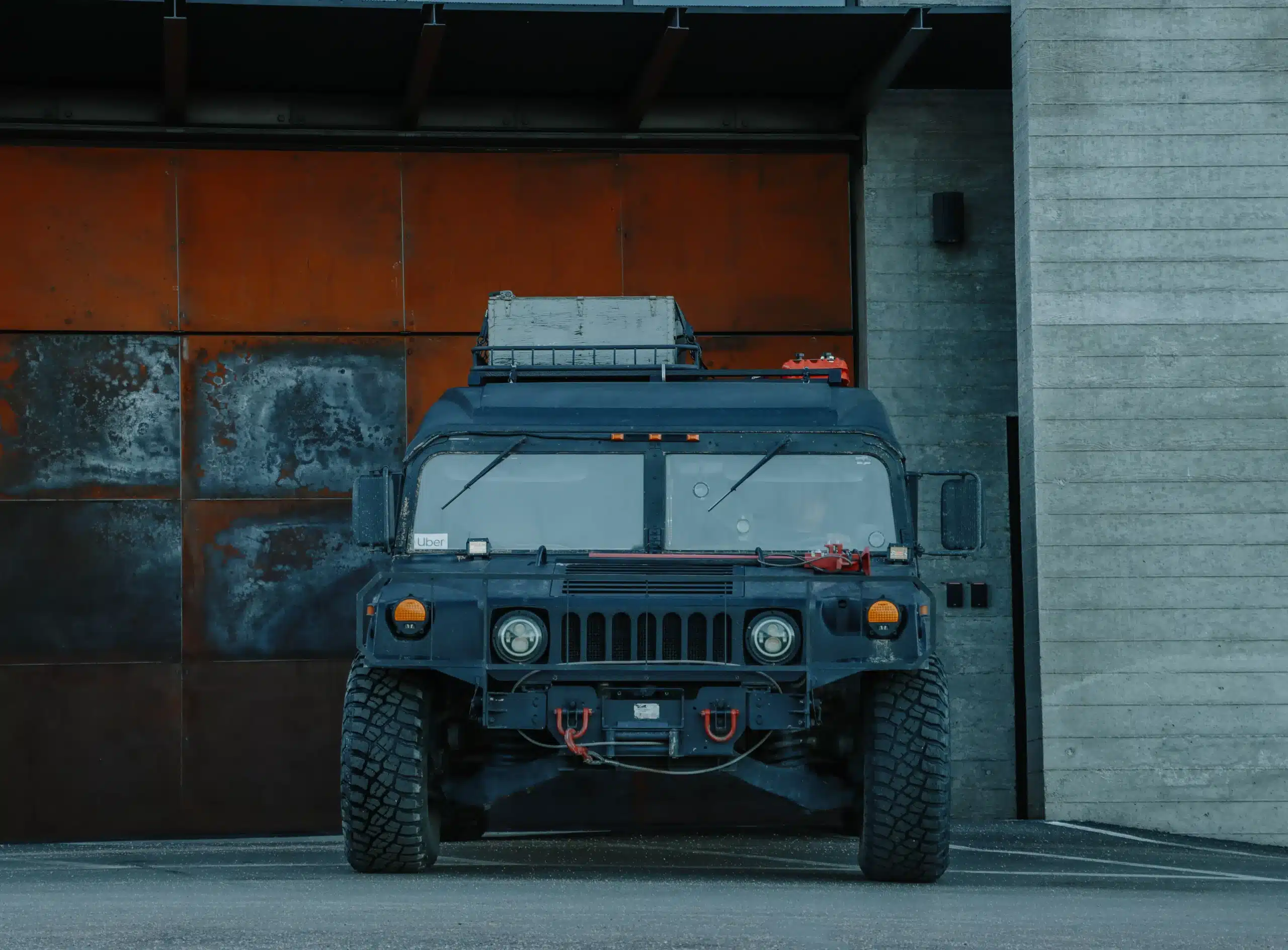
Storing an all-terrain vehicle (ATV) at home or in a garage is possible and often perfectly fine, but the safety depends on your specific setup, not just good intentions. A detached garage with proper ventilation and a drained fuel tank is a very different situation from an attached garage that shares a wall with your living room and houses a gas water heater. This article covers the real hazards of home and garage ATV storage, the conditions that make it workable, and when a dedicated storage facility is the more practical choice.
The Short Answer – Can You Safely Store an ATV at Home?
Yes, many ATV owners store their machines at home without incident, and there’s nothing inherently wrong with the practice. The safety question depends on three things: the type of space you’re using, what else shares that space, and how well you’ve prepared the fuel system before storage. Get those right, and home storage is a reasonable option. Get them wrong, and you’re introducing risks that aren’t obvious until something goes wrong.
The two main options; indoor garage storage and outdoor home storage carry very different risk profiles. Indoor garage storage protects the machine from weather, UV exposure, and opportunistic theft, but it introduces fuel vapor accumulation and carbon monoxide risks that don’t exist outside. Outdoor home storage sidesteps those fire and fume hazards, but leaves the ATV more exposed to the elements and easier to access for anyone who walks by.
Indoor Garage Storage vs. Outdoor Home Storage
Indoor garage storage means an enclosed space, either attached to your home or a standalone detached structure. Outdoor home storage means your driveway, backyard, side yard, or under a carport. These two options are not interchangeable in terms of risk, and the rest of this article addresses both so you can evaluate which applies to your situation.
Fire and Fuel Vapor Hazards in Residential Garages
Gasoline vapor is heavier than air. That means it doesn’t dissipate upward and out of an open window. It settles near floor level and accumulates in low spots. In an enclosed garage, even a small amount of fuel remaining in the ATV tank produces enough vapor to reach ignition sources you may not think of as dangerous under normal circumstances.
The risk isn’t limited to a full tank. An ATV that was ridden recently and parked with a quarter tank of fuel will continue producing vapor as temperatures fluctuate. If your garage contains a gas water heater with a standing pilot light, a furnace, a dryer with a gas connection, or even a chest freezer with an older compressor that throws a spark on startup, any of those can ignite accumulated vapor at floor level. This is the most serious hazard associated with long-term ATV storage in an enclosed residential space.
Common ignition sources found in residential garages include:
- Gas water heaters with standing pilot lights or electronic ignition
- Furnaces or HVAC air handlers with gas burners
- Gas or electric dryers (electric motors can produce sparks)
- Chest freezers and refrigerators with compressor motors
- Light switches (older switches without arc-suppression can spark on activation)
- Power tools with brushed motors that produce sparks during operation
Some municipalities have fire codes that restrict or address the storage of gasoline-powered vehicles in attached residential garages. The International Fire Code (IFC) Section 315 addresses storage of combustible materials in structures, and many local fire marshals apply similar logic to fuel-powered recreational equipment. These rules vary by jurisdiction, so it’s worth checking with your local fire marshal if you’re uncertain what applies in your area.
Attached Garage vs. Detached Garage – What Changes
The structural difference between an attached and detached garage matters significantly when you’re thinking about garage fire risk. An attached garage shares a wall and sometimes ceiling space with your living area. That shared wall is typically built with fire-rated drywall that provides some delay, but it doesn’t stop a fuel fire from spreading. A sustained fuel fire in an attached garage can breach a fire-rated wall within minutes depending on the fuel load and the construction.
A detached garage contains the risk to that structure. A fire that starts there doesn’t have a direct path into the house. That’s not a reason to be careless with fuel storage in a detached garage, but it does mean the consequences of a worst-case scenario are significantly different.
How to Reduce Fuel Vapor Risk at Home
The most effective step is also the simplest: drain the fuel tank completely before storing the ATV indoors. Running the carburetor dry afterward eliminates residual fuel in the fuel lines and float bowl. No fuel in the system means no vapor in the garage.
If you prefer to leave fuel in the tank during seasonal storage, use a fuel stabilizer to slow fuel degradation and reduce vaporization. Follow the manufacturer’s dosage instructions. Products like Sta-Bil recommend a specific ratio of stabilizer to fuel, and more isn’t necessarily better. Beyond fuel prep, make sure the garage has adequate ventilation through windows, vents, or a gap under the door. And confirm that no open-flame appliances share the enclosed space where the ATV is parked.
Carbon Monoxide Risk When Starting an ATV Indoors
Carbon monoxide (CO) is colorless and odorless, and it accumulates in enclosed spaces faster than most people expect. The Consumer Product Safety Commission (CPSC) has documented cases of CO poisoning from small engines operated in residential garages, including brief startups that owners assumed were safe because the garage door was open partway.
A single ATV running in a standard two-car garage with the door closed can reach dangerous CO concentration levels in under five minutes. The door being open a few feet doesn’t eliminate the risk. It slows the accumulation but doesn’t prevent it. CO risk applies to any engine operation indoors: moving the ATV in, moving it out, warming it up before a ride, or running it briefly to check that it starts during a long storage period.
The correct approach is to push the ATV outside before starting it. Keep the engine off inside any enclosed structure, and open the garage door fully before any engine operation, even in cold weather when the instinct is to keep the door down. A CO detector mounted in the garage is a reasonable precaution and may alert you to accumulation from other sources like a malfunctioning furnace or a vehicle left idling nearby, but it is not a substitute for ventilation. The detector tells you there’s a problem; prevention is the goal.
Safe Practices for Starting or Moving an ATV Near a Garage
The rule is straightforward: never start an ATV inside an enclosed structure. Push the machine out first, then start the engine once it’s fully outside and clear of the doorway. If you need to move the ATV from a tight spot and can’t push it by hand, open the garage door completely before starting and get the machine outside as quickly as possible. Don’t let it idle inside while you gear up or gather equipment.
Security Risks of Storing an ATV at Home
ATV theft is a real and persistent problem. The National Insurance Crime Bureau (NICB) consistently ranks ATVs and off-road vehicles among the most frequently stolen recreational vehicle categories, and the theft pattern for ATVs differs from passenger vehicles. They’re lightweight enough to be lifted into a truck bed without needing to be started or hotwired.
An ATV stored in an open driveway or under a carport is one of the more visible high-value targets in a residential neighborhood. A machine covered with a tarp is still visible enough from the street to be identified as an ATV by someone who’s looking. The cover itself doesn’t slow a determined thief much. Most ATVs can be loaded into a pickup in under two minutes without any specialized tools.
A locked residential garage provides meaningfully better security than a driveway, but a single garage door mechanism with no secondary lock is still easier to breach than a dedicated storage facility with perimeter fencing and camera coverage. Most residential garage doors can be bypassed with a simple tool that disengages the emergency release cord, which is a well-documented vulnerability.
What Thieves Look for in a Home Storage Setup
Visibility, accessibility, and the absence of surveillance are the three factors that make home-stored ATVs attractive targets. A machine parked in a driveway is visible from the street, accessible from the curb, and in most residential neighborhoods, there’s no camera coverage and minimal foot traffic at night. Backyard storage is somewhat better for visibility, but if the yard isn’t fenced, it’s not meaningfully more secure.
Security Upgrades That Help at Home
If home storage is your situation, these measures add meaningful deterrence without major investment:
- Ground anchor bolts: A heavy-duty floor anchor bolted into concrete with a hardened chain through the ATV frame or a wheel significantly slows removal.
- Disc brake locks: A disc lock through the brake rotor prevents the machine from being rolled away quietly.
- Wheel locks: Similar to the club-style locks for cars, these make it harder to move the ATV without the key.
- Hitch locks: If the ATV stays on a trailer, a hitch lock prevents the trailer from being hitched to another vehicle.
- Motion-activated lighting: Bright lights triggered by movement remove the cover of darkness and often deter low-effort theft attempts.
- Security cameras: Visible cameras at the garage entry and driveway create a record and discourage opportunistic thieves.
HOA Rules, Local Ordinances, and Legal Restrictions on Home ATV Storage
A homeowners association (HOA) can prohibit ATV storage at home regardless of how safely you’ve set up the space. Many ATV owners don’t check their HOA rules before storing a machine in the driveway or backyard, and the first indication that there’s a problem is a formal notice or a fine.
HOA agreements commonly restrict the storage of non-passenger vehicles in driveways or visible areas. Some HOAs require that any recreational vehicle, including ATVs, be stored inside a fully enclosed garage and kept out of street view. Others prohibit ATVs on residential property entirely, regardless of whether they’re inside a garage or not. In most cases, covering the ATV with a tarp doesn’t satisfy an HOA’s visibility requirement. If the machine’s profile is identifiable from the street or a neighbor’s property, it typically doesn’t meet the “out of view” standard.
Local zoning ordinances can add another layer on top of HOA rules. A municipality may have separate regulations about storing recreational off-road vehicles on residential property, and these apply even to homeowners who don’t live in an HOA community. These ordinances vary significantly by city and county.
The practical outcome for many HOA residents is that off-site storage isn’t just a preference. It’s the only option that avoids repeated fines. If you’re also sorting out registration or title status for a new purchase, note that how to transfer ATV ownership correctly can affect registration records, which some municipalities use to assess whether a vehicle is “registered” for residential property purposes.
What to Check Before Storing an ATV in Your Driveway or Backyard
Before leaving an ATV at home, confirm the following:
- Review your HOA CC&Rs for language about recreational vehicles, off-road vehicles, or non-passenger vehicle storage.
- Contact your municipality’s zoning office to ask whether local ordinances apply to ATV storage on residential property.
- Check whether a cover changes compliance status. In most HOAs, it does not.
- Confirm whether a garage-only storage requirement applies and whether your garage qualifies as “fully enclosed” under the HOA’s definition.
When Home or Garage Storage Works Well
Home storage isn’t inherently problematic. For many ATV owners, it’s the right choice and works well for years without incident. The conditions that make it safe and practical are specific, and if your situation checks all of them, home garage storage is a reasonable long-term option.
A detached garage with no open-flame appliances is the cleanest home storage scenario. The ATV is protected from the elements, isolated from the living structure, and free of the most serious fuel vapor ignition risks. Add proper ventilation, a drained fuel system or fuel stabilized for seasonal storage, and enough floor space that you’re not constantly maneuvering other vehicles around it, and you have a setup that’s hard to fault.
The owner’s situation also matters beyond the physical space. If you don’t have HOA restrictions, you’re in a neighborhood where an ATV stored at home is unremarkable, and you have the storage habits to prepare the machine correctly each season, then home storage is practical and cost-effective.
Checklist – Is Your Home Setup Ready for ATV Storage?
Run through these before deciding:
- Detached garage available? Attached garages introduce fire spread risk that detached structures don’t.
- No open-flame appliances in the storage space? Water heaters, furnaces, and dryers with gas connections shouldn’t share a space with a fuel-powered vehicle.
- Adequate ventilation? The garage should have at least one vent, window, or gap at the door to prevent vapor accumulation.
- Fuel system prepped? Tank drained or fuel stabilizer added before storage.
- No HOA restriction on ATV storage? Confirmed by reviewing your CC&Rs, not just by assumption.
- Enough space to store the ATV without constantly moving other vehicles? If the garage is already crowded, the risk of fuel spills and tight maneuvering increases.
If you can answer yes to all six, home garage storage is likely a workable solution. If two or more answers are no, the next section explains what a dedicated facility provides instead.
When to Consider a Dedicated ATV Storage Facility
Not every home setup meets the checklist above, and that’s not a failure. It’s just reality. Many ATV owners have attached garages, no garage at all, HOA restrictions that prohibit home storage, or garages that already function as workshops or car bays. In those situations, a dedicated ATV storage facility isn’t an upgrade or a luxury; it’s the practical solution to a specific set of problems.
A purpose-built storage facility removes the fuel vapor and carbon monoxide risks from your home environment entirely. The ATV lives in a space that isn’t connected to your living structure, isn’t shared with your water heater, and isn’t subject to the access and visibility issues of a residential driveway. Perimeter fencing and security cameras at a dedicated facility provide a level of theft deterrence that a residential garage door simply can’t replicate.
For owners who don’t have a detached garage, live in an HOA community, or simply want to keep the risks away from the house, a dedicated ATV storage facility is a practical alternative. RecNation ATV storage offers covered and enclosed options built for recreational vehicles, with perimeter fencing and security cameras that a residential garage can’t match.
Covered storage at a facility also protects against UV damage, heat exposure, and weather without introducing the enclosed-space hazards of indoor home storage. If you ride seasonally and the ATV sits for four to six months at a stretch, long-term ATV storage in a purpose-built space keeps the machine in better condition than a home setup that was designed primarily for passenger vehicles.
Covered vs. Enclosed ATV Storage – What’s the Difference?
These two options serve different needs, and understanding which fits your situation helps you choose the right unit:
- Covered (carport-style) storage: The ATV is protected by a roof and sometimes partial side walls, but the space is open to airflow. This protects against sun, rain, and bird damage while keeping fuel vapors from accumulating. It’s a good fit for owners who want weather protection without paying for a fully enclosed unit.
- Enclosed storage: The ATV is stored in a fully enclosed unit, similar to a garage bay, with a lockable door. This provides maximum protection from weather, UV exposure, and theft, and is the better choice for high-value machines, long off-season storage periods, or owners who want complete security.
What to Look for in an ATV Storage Facility
When evaluating a facility, consider carport and covered storage options alongside fully enclosed units, and look for these practical features:
- Perimeter fencing and gated access to limit who can reach your machine
- Security cameras with active monitoring or recorded footage
- Access hours that match when you actually ride. Early morning or evening access matters for regular users
- Covered or enclosed unit options based on your weather exposure concerns
- Proximity to your home or primary riding area so access is convenient
- Month-to-month lease flexibility rather than long-term commitments that don’t match your riding season
Storing an ATV at home can be done safely with the right setup, but not every driveway, garage, or neighborhood makes it practical. For owners who want a secure, purpose-built option without the fuel vapor risks or HOA complications, RecNation ATV storage provides covered and enclosed storage at facilities designed specifically for recreational vehicles. It’s a straightforward alternative that keeps the machine protected and ready without the tradeoffs of home storage.
Frequently Asked Questions
Is it safe to keep an ATV in an attached garage?
It can be, but an attached garage carries higher risk than a detached garage because a fuel fire or vapor ignition can spread to the living structure. The main precautions are draining the fuel tank before storage, ensuring no open-flame appliances like water heaters or furnaces are in the same space, and maintaining adequate ventilation. If the garage shares a wall or airspace with the home and contains gas-burning equipment, a detached garage or dedicated storage facility is the safer choice.
Can ATV fuel fumes in a garage cause a fire?
Yes. Gasoline vapor is heavier than air and settles near floor level, where it can reach ignition sources like pilot lights, water heaters, furnaces, dryers, or even static discharge from certain motors. Even a small amount of fuel remaining in the ATV tank produces vapor in an enclosed space. Draining the tank completely or using a fuel stabilizer and storing in a well-ventilated area with no open-flame appliances significantly reduces this risk.
Do I need to drain my ATV’s fuel before storing it in the garage?
Draining the fuel tank or running the carburetor dry before storage is the safest approach for enclosed indoor storage, because it eliminates the primary source of fuel vapor. If you prefer to keep fuel in the tank for seasonal storage, use a fuel stabilizer and confirm the garage is well-ventilated with no open-flame appliances nearby. Fuel left untreated in the tank for several months can also degrade and cause carburetor problems when you return to riding.
Can my HOA prohibit me from storing an ATV in my driveway?
Yes. Many HOA agreements restrict or prohibit storing recreational vehicles – including ATVs – in driveways, front yards, or visible carport areas. Some HOAs require that any non-passenger vehicle be stored inside a fully enclosed garage and kept out of street view. Check your HOA’s CC&Rs before leaving an ATV at home. Violations can result in fines or formal notices, and repeated offenses may escalate the issue with the HOA board.
Is it better to store an ATV inside or outside at home?
Indoor storage in a garage is generally better for the machine because it protects against UV damage, rain, temperature extremes, and opportunistic theft. However, indoor storage introduces fuel vapor and carbon monoxide risks that outdoor storage does not. Outdoor home storage under a weatherproof cover is lower-risk from a fire standpoint, but it leaves the ATV more exposed to weather and easier for a thief to access. A dedicated storage facility with covered or enclosed options addresses both concerns without the tradeoffs of either home option.
What is the safest way to store an ATV if I don’t have a garage?
Without a garage, the two main options are outdoor home storage with a heavy-duty weatherproof cover or a dedicated ATV storage facility. Outdoor home storage with a quality cover protects against rain, sun, and dust, but doesn’t address security. A dedicated facility with perimeter fencing, security cameras, and covered or enclosed unit options offers better protection for the machine and is particularly worth considering for a full off-season or extended storage period where weather and theft exposure compound over time.