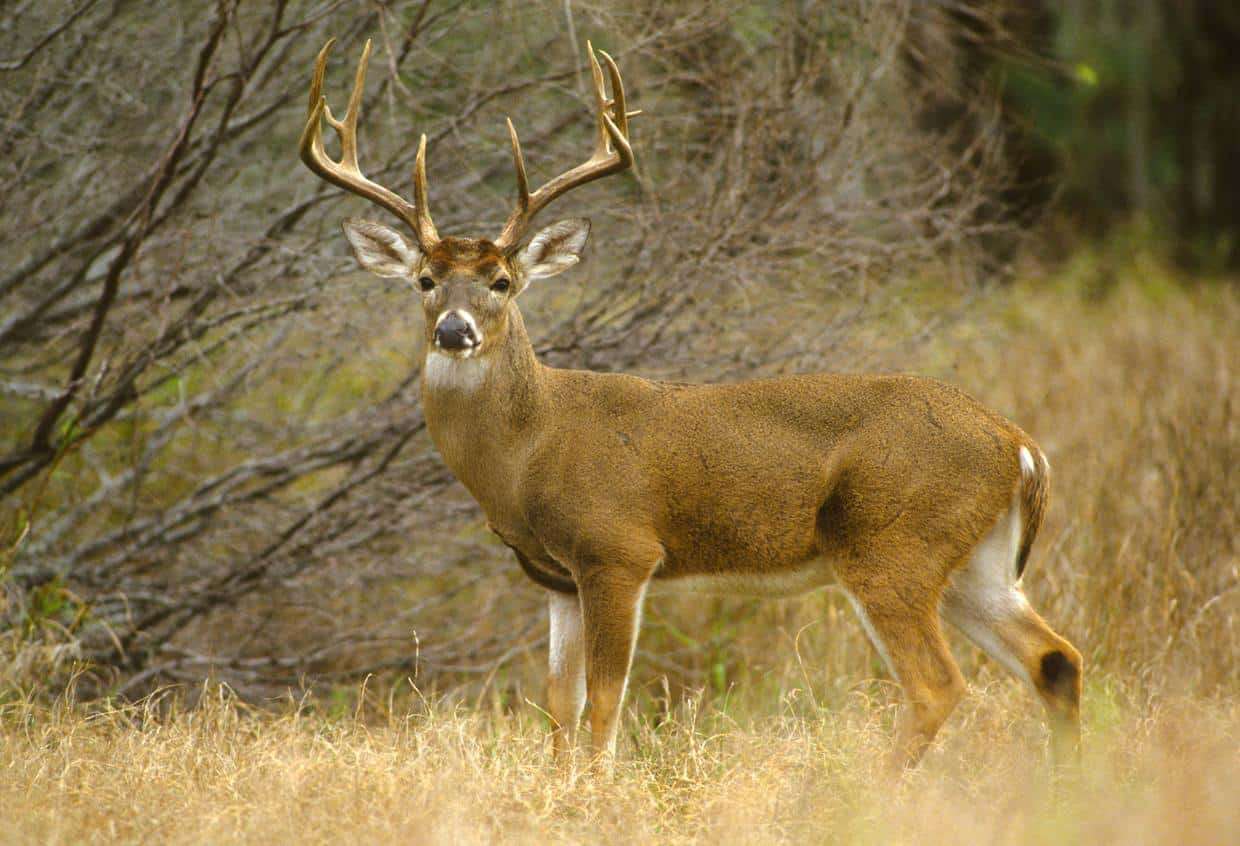
Texas has over a million acres of public hunting land, but the TPWD map tool tells you where it exists, not which of it actually produces deer. If you’re planning a fall or winter hunt and don’t hold a private lease, the locations below are worth your time. Each profile covers terrain, realistic pressure levels, the permit you need, and the best timing window so you can plan a specific trip, not just a general direction.
What Texas Public Land Deer Hunters Actually Have Access To
Texas public hunting land is not one system. It falls into several distinct categories managed by different agencies, and each has its own permit rules. A hunter who assumes the Annual Public Hunting (APH) Permit covers every acre of public land in the state will eventually show up somewhere noncompliant.
The four main categories are Texas Parks and Wildlife Department (TPWD) wildlife management areas, National Forests managed by the U.S. Forest Service, National Wildlife Refuges managed by U.S. Fish and Wildlife, and Army Corps of Engineers reservoir project lands. Each has different access rules for deer hunters.
| Land Type | Managing Agency | Permit Required | Deer Hunting Access |
| Wildlife Management Areas | TPWD | APH permit or drawn permit | Yes, varies by unit |
| National Forests (TX) | U.S. Forest Service | Texas hunting license only | Yes, general season |
| National Wildlife Refuges | U.S. Fish and Wildlife | Varies by refuge | Some prohibit deer hunting entirely |
| Army Corps Reservoir Lands | Army Corps of Engineers | Varies by project | Varies, verify with project office |
TPWD Wildlife Management Areas vs. Federal Public Land
TPWD-managed wildlife management areas require either the APH permit for walk-in access or a drawn permit for managed hunts with limited slots. TPWD’s Annual Public Hunting Permit page currently lists the APH at $48 per season for walk-in access to more than 180 WMAs statewide.
National Forest land in Texas operates under different rules. Sam Houston, Angelina, Davy Crockett, Caddo-LBJ, and Sabine National Forests all allow deer hunting with only a valid Texas hunting license. No APH is needed. A hunter showing up to Angelina National Forest for white-tailed deer hunting does not need anything beyond their license.
National Wildlife Refuges are the category most likely to cause a compliance problem. Some prohibit deer hunting entirely. Always confirm with the specific refuge before your trip. Anahuac NWR, for example, has its own access rules that must be verified directly with the U.S. Fish and Wildlife Service.
Walk-In, E-Postcard, and Drawn Hunts: Which One Do You Need?
Within the TPWD system, access comes in three tiers. Walk-in APH access is the broadest: pay for the permit, show up to any participating WMA during open season. E-postcard hunts are a middle tier with a short selection window and less competition than a full draw. Drawn permit hunts are for managed units with limited slots, typically the highest-quality areas.
Missing the drawn hunt application window means waiting a full year. The application schedule is published annually by Texas Parks and Wildlife Department. Check the current dates at tpwd.texas.gov before the fall hunting season begins, because deadlines shift year to year.
Best Public Hunting Lands in Texas for Deer: Location by Location
The locations below represent a cross-section of Texas public land deer hunting: East Texas timber, North Texas grasslands, the Panhandle, and South Texas brush country. Pressure levels, permit requirements, and rut timing all differ meaningfully by region, and those differences should drive your location choice before they drive your gear list.
Sam Houston National Forest
Sam Houston is East Texas pineywoods at its best for a public land deer hunt. At roughly 163,000 acres, it’s large enough that pressure disperses more than on most smaller WMAs. You need a Texas hunting license to hunt here. No APH permit is required.
Midweek hunts during the November rut are significantly more productive than opening weekend. Timber cuts and creek bottom edges are consistent stand locations. The East Texas rut runs later than the rest of the state, typically late November into early December, so your best window here is not the same as a Hill Country hunt.
Caddo-LBJ National Grasslands
Caddo-LBJ sits near Decatur and Paris in North Texas and operates under U.S. Forest Service rules. Hunting license only, no APH. The proximity to the Dallas-Fort Worth metro makes this one of the most pressured public land options in the state on weekends.
That pressure is real, and anyone who tells you otherwise hasn’t hunted it on a November Saturday. Mid-week hunts and the late antlerless season are where Caddo-LBJ becomes productive. It’s a solid option for hunters in the metro who want public land nearby, as long as expectations are set honestly.
Gus Engeling Wildlife Management Area
Gus Engeling in Henderson County is consistently regarded as one of TPWD’s better-managed deer units. Walk-in APH access exists, but the drawn permit hunts are what serious deer hunters target. The managed units have limited slots and competitive applicant ratios.
Apply for the drawn hunt annually even if you don’t draw in year one. The unit’s habitat management and deer genetics make it worth the multi-year application strategy. Check the Gus Engeling WMA page on TPWD’s website for current drawn hunt application windows and permit details.
Matador Wildlife Management Area
Matador is a Panhandle unit managed for both mule deer and white-tailed deer. Drawn hunt required. It consistently produces quality bucks relative to public land standards, which is why the draw is competitive.
Treat Matador as a multi-year application target. The habitat here is different from East Texas or the Hill Country, open and broken, which rewards hunters who scout the unit boundaries using hunting unit maps before applying. Check the Matador WMA page on TPWD’s website for current drawn hunt application windows and permit details. If you draw on your first try, consider it a bonus.
Angelina National Forest
Angelina sits in Deep East Texas and overlaps with the Sabine River country, which holds good deer numbers in timber and creek bottom habitat. Hunting license only under Forest Service rules, no APH needed. Pressure is lower than Caddo-LBJ because of the distance from major metros.
It covers the full season window from fall archery through general gun to late antlerless. If you’re willing to drive deeper into the unit on foot, the hunting quality improves noticeably. That’s true of most large-acreage public land, but it’s especially relevant here where road hunters concentrate on the accessible edges.
South Texas WMA Options
James E. Daughtrey WMA and Chaparral WMA represent the best public land deer genetics in the state. Both require drawn permits. The draw is competitive, and you should not count on drawing in year one.
The payoff is rut timing. South Texas white-tailed deer hunting peaks late November into December, meaning a late-season drawn hunt here can overlap peak breeding activity. The Rio Grande Valley and South Texas brush country produce the kind of bucks that justify a multi-year application commitment. Apply every year and hunt somewhere else in the meantime.
How Texas Deer Season Timing Affects Which Public Land to Hunt
Texas deer season timing varies by county and zone. For most of the state, archery season opens in early October and general gun season opens in early November. But the rut doesn’t follow a single statewide calendar, and that matters more than the season opener for choosing where to hunt.
The Hill Country and South Texas rut peaks mid-November. East Texas runs two to three weeks later, typically late November into early December. If you’re hunting Sam Houston National Forest, your rut window is different than if you’re hunting a Hill Country WMA. Plan your trip dates around regional rut timing, not just legal season dates.
The late antlerless season on many TPWD wildlife management areas extends into January and is the most underutilized window in the fall hunting season calendar. Hunter density drops sharply after the November general season opener. Cold fronts push deer movement in December and January, especially in South Texas and the Hill Country where temperature drops correlate directly with increased activity.
If you’re planning a multi-night hunt at a remote WMA location, it’s worth knowing your options for overnight RV parking near your hunting area so you’re not driving hours each day from a distant camp. If you’d rather set up a base camp for the week, affordable campgrounds and RV parks near most major WMAs can be cheaper than repeated day-trip driving.
Archery Season Opportunity on Texas Public Land
Archery season typically opens statewide in early October and runs through late November in most zones. Public land pressure during archery is materially lower than during general gun season. It’s one of the most underused windows on high-traffic WMAs near metro areas.
Some TPWD WMAs offer archery-specific drawn hunts with their own application window. Verify current archery season dates in the Texas Outdoor Annual before your trip. These dates shift year to year and vary by county.
Late Season and Antlerless Hunts: Lower Pressure, Still Productive
The late antlerless season on many TPWD units extends into January with dramatically lower hunter density than the November opener. Deer are in post-rut recovery but remain active, particularly during cold fronts. Walk-in APH access during this window can produce solid results on areas that were crowded in November.
This is the practical answer for hunters who missed a draw for a premium unit. Show up on a cold front in December with your APH permit on an otherwise pressured WMA, and you’ll find the hunting quality is closer to what a drawn hunt delivers in peak season.
Permit Requirements and Licenses for Texas Public Land Deer Hunting
Before heading to any Texas public hunting land, confirm you have the right license and permit for the specific land type you’re hunting. The checklist differs by agency.
For TPWD Wildlife Management Areas:
- Valid Texas hunting license
- Annual Public Hunting Permit ($48) for walk-in access, OR confirmed drawn permit for managed hunts
- Printed or digital confirmation of your permit for the unit you’re hunting
For National Forests (Sam Houston, Angelina, Davy Crockett, Caddo-LBJ, Sabine):
- Valid Texas hunting license only. No APH required.
For National Wildlife Refuges:
- Valid Texas hunting license
- Confirm with the specific refuge. Some prohibit deer hunting entirely. Some require a federal duck stamp or refuge-specific permit.
For Army Corps of Engineers lands:
- Valid Texas hunting license
- Verify rules with the specific reservoir project office before hunting.
All current license fee schedules, including the non-resident cost differential, are published annually in the Texas Outdoor Annual at tpwd.texas.gov. Do not rely on prior-year figures. Non-resident hunting licenses are significantly more expensive than resident licenses, and that cost should factor into your trip budget before you apply for drawn hunts.
Resident vs. Non-Resident Hunting Licenses on Texas Public Land
Non-resident hunters can access the APH permit system and all Texas wildlife management areas on the same terms as residents. No WMAs currently restrict access based on residency. The difference is in base license and permit requirements.
Current license and permit requirements are published in the Texas Outdoor Annual each year. Confirm the non-resident fee from tpwd.texas.gov before budgeting a trip. Hunting regulations change annually, and using a prior-year figure can mean an underfunded trip.
The TPWD Hunt Texas App: How It Helps in the Field
The TPWD Hunt Texas app is the most practical in-field tool for public land deer hunting access. It lets you search for open hunting areas by GPS location, filter by legal species, and confirm permit requirements for a specific unit before or during a trip. No competitor covers this tool by name, but it’s the fastest answer to “is this area currently open and what do I need.”
The Hunt Area Locator Map on tpwd.texas.gov serves the same function from a desktop and shows all APH-accessible properties statewide. Use the app in the field and the map for pre-trip planning.
Tips for Public Land Deer Hunting Success in Texas
These tips are specific to pressured public land in Texas, not generic hunting advice. The difference between a successful public land hunt and a frustrating one usually comes down to timing and access point selection, not equipment.
- Scout access points before season opens. Use the TPWD Hunt Texas app and onX Maps to identify where access roads end and where most hunters set up. Finding a stand location 500-plus yards from trailheads and access roads reduces competition significantly. Interior areas see a fraction of the pressure that road-adjacent spots absorb.
- Hunt mid-week during general gun season. Opening weekend on Texas WMAs can look like a parking lot. Mid-week pressure drops sharply, and deer behavior returns closer to normal. If your schedule allows even one mid-week hunt during the November rut, it will outperform a weekend hunt on most public units.
- Hunt public-private boundaries. Deer pushed off adjacent private land by hunting pressure filter back onto public ground. These transition zones are consistently productive on Texas public land during general gun season.
- Time your hunt around cold fronts. Cooler weather measurably increases deer movement on Texas public land, particularly in the Hill Country and South Texas where rut activity correlates directly with temperature drops, a pattern well-documented by North American Whitetail’s deer movement research.
- Target the late antlerless season on high-pressure WMAs. January hunting on units that were crowded in November produces solid results at a fraction of the pressure. Walk-in APH access applies on most units through the late season.
Hunters who access WMA interiors often use ATVs to cover ground efficiently. If you’re hauling an ATV to hunting areas, ATV storage at a nearby RecNation facility keeps your gear protected and ready between seasons rather than sitting exposed in a driveway.
Scouting Texas WMAs Before Season Opener
Pre-season scouting on public land is specifically about identifying where other hunters won’t be. Knowing which access roads are well-traveled lets you choose setups in the interior where pressure drops. The TPWD Hunt Texas app and onX Maps both display unit boundaries in the field, which is the practical way to identify unpressured setups before you commit to a location.
Walk-in scouting before season is allowed on most APH-permitted WMAs. A single pre-season trip to your target unit will tell you more than any online research.
Planning Around the Texas Deer Rut on Public Land
The rut window is the single strongest factor driving trip timing on Texas public hunting lands. Use the regional split: Hill Country and South Texas peak mid-November, East Texas peaks late November into early December. Match your dates to the region you’re hunting.
Public land hunting during the rut means accepting higher hunter density. Counter that by being in your stand before first legal shooting light and staying later than most hunters do. Buck movement during the rut is less affected by hunting pressure than at any other point in the season, which is why the window is worth hunting hard despite the competition.
Hunting Texas public land often means hauling an ATV, truck camper, or trailer deep into WMA country. That gear needs a secure home when the season ends. RV and vehicle storage at RecNation offers facilities across Texas with options sized for hunting rigs, ATVs, and trailers. It’s a practical way to keep your equipment protected and ready when the next season or draw result comes through.
Frequently Asked Questions About Public Land Deer Hunting in Texas
Where can I hunt for free on public land in Texas?
The four National Forests in Texas, Sam Houston, Angelina, Davy Crockett, and Sabine, allow deer hunting with only a valid Texas hunting license. No Annual Public Hunting Permit is required, making them the closest option to fee-free public deer hunting in the state. Some Army Corps of Engineers reservoir project lands also allow hunting without additional fees, but rules vary by project. Verify with the specific project office before hunting.
Do you need a special permit to hunt on Texas wildlife management areas?
Yes. Hunting on most TPWD-managed wildlife management areas requires either the Annual Public Hunting Permit for walk-in access or a drawn permit for managed hunts with limited slots. The APH is not required for hunting on Texas National Forests, which are managed by the U.S. Forest Service under separate rules. Confirm the specific requirement for your unit using the TPWD Hunt Texas app or the unit’s page on tpwd.texas.gov.
What is the best public land in Texas for deer hunting?
Sam Houston National Forest is one of the most accessible options, with over 163,000 acres of East Texas pineywoods, walk-in access, and no APH required. Midweek pressure is manageable and the late November rut window is productive. Gus Engeling WMA in Henderson County is consistently regarded as one of TPWD’s best-managed deer units, though the best areas require a drawn permit. For trophy potential, South Texas units like James E. Daughtrey WMA are hard to match on public land, though the draw is competitive.
When does deer season open on Texas public hunting lands?
Archery-only season typically opens statewide in early October, with general gun season opening in early November for most Texas counties. Late antlerless season extends into January on many TPWD WMAs. Exact dates shift year to year and vary by county. Verify current season dates in the Texas Outdoor Annual published by Texas Parks and Wildlife Department before your trip.
How do I find public hunting areas near me in Texas?
The TPWD Hunt Texas app lets you search for legal public hunting areas by GPS location, filter by species, and confirm permit requirements for specific units. It’s the most practical in-field tool for locating public land deer hunting access. The Hunt Area Locator Map on tpwd.texas.gov shows all APH-accessible properties statewide and can be filtered by legal game and season type.
Can non-residents hunt deer on Texas public lands?
Yes. Non-resident hunters can purchase the APH permit and access the same wildlife management areas as Texas residents. No Texas WMAs currently restrict access based on residency. However, non-resident hunting licenses are significantly more expensive than resident licenses. The current fee is published annually in the Texas Outdoor Annual at tpwd.texas.gov, and that cost differential should factor into your trip budget before you apply for drawn hunts.