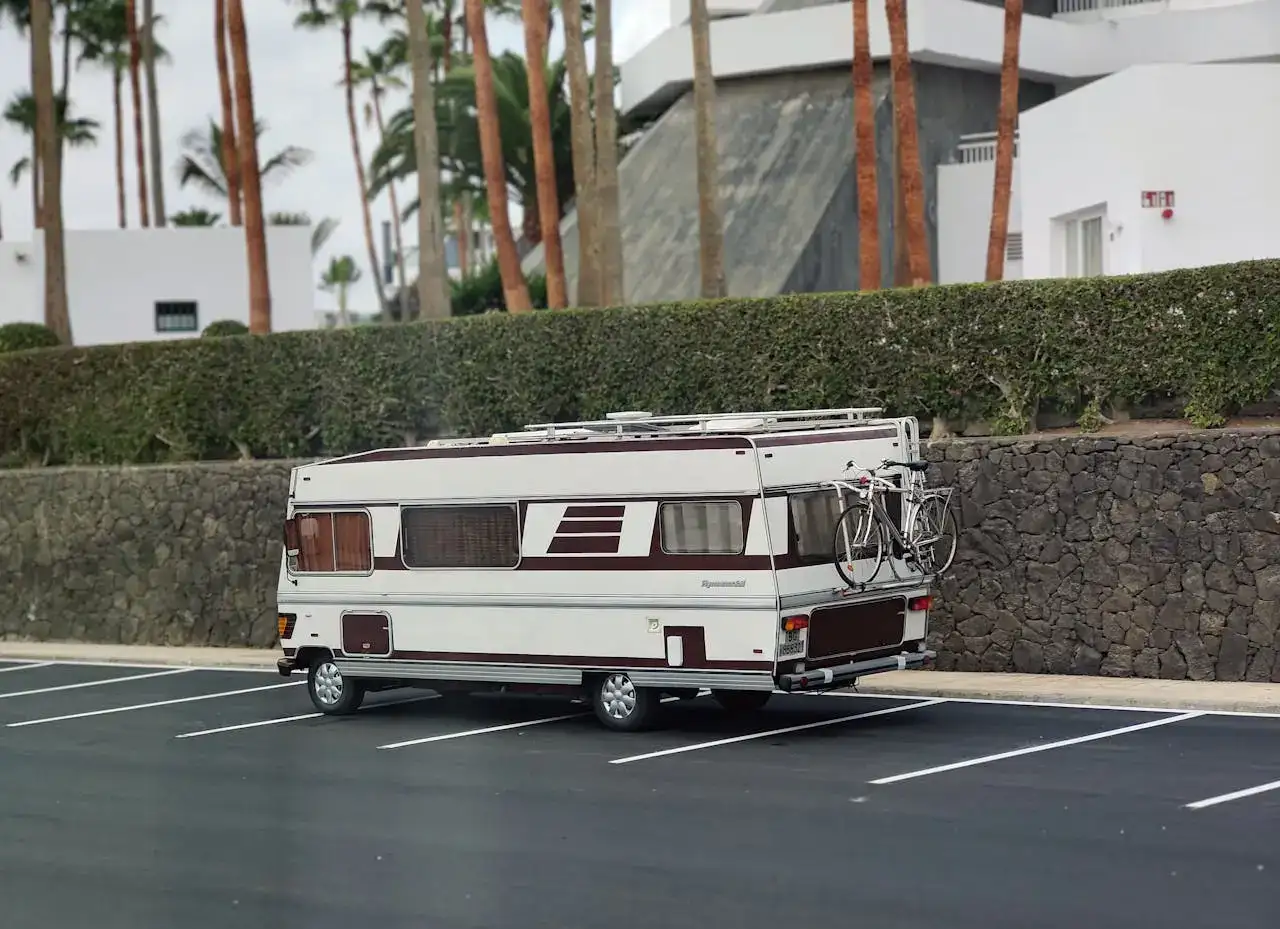
Building an RV storage facility is both a construction project and an entry into the growing RV storage industry, fueled by rising RV ownership and demand for boat and RV storage. For investors, understanding construction costs, zoning regulations, and a strong business plan is critical before breaking ground, since these shape both budget and long-term success.
The process starts with selecting the right location, permits, and land preparation. From there, choices like a fully fenced outdoor storage facility with chain link fencing or enclosed RV units with key-coded entry gates and security cameras directly influence rental rates, occupancy, and overall profitability. Done right, a boat and RV storage facility can attract customers and operate as a successful RV storage business.
What Is the Typical Timeline for Building an RV Storage Facility?
The timeline for RV & boat storage facility construction depends on the project’s size, design, and complexity. Smaller facilities with basic covered parking generally move faster, while larger developments with enclosed or climate-controlled structures require more time because of additional design and construction needs.
In most cases, the stages that take the longest are zoning approvals, permitting, and site preparation. These steps must be completed before any structures can be built, and unexpected challenges such as regulatory reviews or utility hookups often add delays.
Projects that focus on simple covered storage tend to progress more quickly, while premium facilities with climate control, security upgrades, and extra amenities usually extend the schedule.
Key Phases in RV Storage Facility Construction
Breaking down the construction process into phases makes it easier to see where time is spent and where delays most often occur. Each stage carries unique requirements, and setbacks in early phases can ripple across the entire project.
For anyone starting an RV or boat and RV storage business, these phases are critical to creating a successful RV storage facility that meets customer demand and industry standards.
Site Selection and Land Acquisition for RV Storage
The foundation of any RV storage site begins with choosing the right parcel of land. This step goes beyond finding an acre lot; it requires detailed evaluation to ensure the property supports long-term profitability and complies with zoning regulations.
Key considerations include:
- Location: Proximity to highways, RV traffic routes, and residential communities, as well as access to a network of over 2,800 RV dealerships nationwide (RVDA/U.S. Census Bureau), which strengthens demand around sales hubs.
- Visibility: High visibility helps attract customers and makes marketing easier, including targeted social media ads.
- Size and layout: Enough acreage to allow wide drive aisles, the minimum width of an RV space, oversized parking for trailers, and room for expansion.
- Due diligence: Developers often conduct soil testing, environmental reviews, and feasibility studies to streamline approvals and avoid costly surprises.
This phase can take longer if title clearance, financing, or negotiations delay acquisition. Still, securing the right site is key to serving existing RV owners and capturing potential RV storage demand in a growing market.
Zoning, Permits, and Local Approvals
Once land is secured, developers must ensure it can legally be used as an RV and boat storage facility. This is often the most time-consuming stage because municipalities require multiple layers of review.
Typical requirements include:
- Rezoning requests if the parcel isn’t already approved for commercial or self storage business use.
- Special-use permits, since many cities classify RV storage units as conditional.
- Public hearings where neighbors may raise concerns about noise, lighting, or visibility.
- Compliance checks such as traffic studies, stormwater management, and environmental reviews.
For self storage owners entering the RV storage industry, this stage can make or break the project timeline. Some jurisdictions approve in weeks, while others take many months.
Phase Snapshot: Land Acquisition and Approvals
The table below highlights the key phases, typical activities, and their impact on time and complexity:
| Phase | Typical Activities | Time Impact | Complexity |
| Site Selection & Acquisition | Location analysis, negotiations, soil/environmental studies | Moderate | Medium, High |
| Zoning & Permits | Rezoning, permits, hearings, compliance studies | High | High |
These two phases often account for the largest share of project delays. Choosing the right parcel and securing approvals upfront lays the groundwork for smoother site preparation and construction later on.
Site Preparation, Utilities, and Infrastructure Development
After permits, the land is prepared to handle heavy vehicles and long-term use. This stage ensures the outdoor storage facility can support large RVs, trailers, and high-traffic conditions.
Key activities include:
- Grading and leveling for stable surfaces and drainage.
- Surface prep with gravel, asphalt, or concrete to withstand heavy vehicle storage.
- Drainage systems to manage runoff during harsh weather conditions.
- Utility hookups to support lighting, dump stations, and amenities.
Because many Class A motorhomes and large RVs have a Gross Vehicle Weight Rating exceeding 26,001 pounds they fall within the same federal weight threshold that the FMCSA applies to commercial trucks.
This means storage surfaces must be engineered for heavy axle loads to prevent premature wear or structural failure.
Challenges often stem from soil quality or underground obstructions, which can raise construction costs and extend schedules.
Construction of Covered and Enclosed RV Storage Structures
Finally, developers construct the actual storage spaces. The type of construction; covered, enclosed, or a mix determines both the project’s speed and profitability.
- Covered canopies: Quick to assemble and cost-efficient, appealing to budget-conscious RV enthusiasts.
- Enclosed storage buildings: Higher investment with roofing, insulation, and sometimes HVAC for climate-controlled RV storage units. These structures allow higher rental rates per square foot but extend build times.
- Security integration: Installing key-coded entry gates, security cameras, and high-end security equipment during this phase helps deter thieves and prevent losses while adding long-term value.
While covered storage offers faster occupancy and cash flow, enclosed structures position the facility as a high-end storage solution that caters to RV owners seeking premium protection.
Final Inspections, Compliance, and Operational Launch
Before tenants can move in, the facility must be inspected and approved by local authorities. Passing this stage ensures the site is safe, compliant, and ready for business.
Steps typically include:
- Building and safety inspections: Verifying that all structures meet local codes.
- Fire code compliance: Ensuring fire lanes, hydrants, and safety systems are in place.
- Accessibility checks: Confirming that new buildings or modifications comply with the ADA Standards for Accessible Design, as outlined by the U.S. Department of Justice.
- Finishing touches: Installing signage, landscaping, security systems, and software for tenant management.
Once all approvals and inspections are completed, the facility can officially open and begin accepting tenants. Observing the full process also provides a clear view of how long an RV storage facility takes to build, helping developers plan future projects more effectively.
Phase Snapshot: Construction and Launch
The table below outlines the major steps, typical activities, and their relative impact on time and complexity:
| Phase | Typical Activities | Time Impact | Complexity |
| Site Preparation & Utilities | Grading, surface prep, drainage, utility connections | Moderate–High | Medium |
| Covered/Enclosed Construction | Canopies, enclosed buildings, HVAC, security systems | High | Medium–High |
| Final Inspections & Launch | Safety/fire checks, compliance, finishing touches | Moderate | Medium |
Together, these phases transform raw land into a fully functional RV storage facility, ready to serve customers and generate revenue.
Factors That Influence RV Storage Facility Construction Time
Even with strong planning, no two RV storage facility projects move at the same pace. The timeline is shaped by outside forces like zoning approvals and contractor availability as well as internal decisions, such as how complex the facility design will be.
Local Zoning, Permits, and Regulatory Delays
Zoning and permitting are often the biggest wild cards in a project timeline.
- Rezoning requests: If land is zoned agricultural or residential, it may require months of applications, planning board reviews, and city council votes.
- Public hearings: Community pushback, especially in suburban areas, can add repeated rounds of hearings. For example, a project near residential housing might face noise or traffic objections that rural sites don’t.
- Environmental studies: Facilities near wetlands or waterways may require stormwater or ecological assessments, extending approvals by several months.
- Inspection bottlenecks: Some municipalities have limited inspectors, meaning final approvals might not align with project completion.
Example: In a fast-moving county with business-friendly zoning, approvals may be granted in weeks. In more restrictive cities, the same stage could drag out for over a year.
Contractor Scheduling, Supply Chain, and Material Availability
Construction can only progress as quickly as labor and materials allow.
- Contractor scheduling: In regions with active development, contractors may be booked out 6–12 months in advance.
- Material shortages: Steel canopy frames, asphalt, and fencing are in especially high demand for commercial projects.
- Global supply issues: Prefabricated building components may face long shipping times, as seen during recent steel shortages.
- Weather-sensitive work: Delays in receiving materials can push key tasks like concrete pouring into poor weather windows, compounding delays.
Example: Ordering steel canopies in advance may save 3–4 months compared to waiting until permits are finalized.
Size, Design Complexity, and Amenities
The more ambitious the facility design, the longer construction will take.
- Basic facilities: A gravel lot with fencing and lighting may move from grading to opening relatively quickly.
- Covered storage: Steel canopies add time but are still efficient once materials arrive.
- Enclosed buildings: These require full construction foundation work, framing, insulation, and HVAC extending the schedule significantly.
- Amenities: Dump stations, electrical hookups, and wash bays add additional permitting and construction steps.
- Luxury features: Concierge or valet storage often requires custom design and higher safety compliance, slowing approvals and build time.
Example: A basic outdoor lot might be operational in under a year, while a climate-controlled facility with full amenities could take twice as long.
Factor Impact Comparison
Several factors can significantly influence how long it takes to complete an RV storage facility. The table below shows common examples, the typical delay range, and the relative risk level for each:
| Factor | Examples | Typical Delay Range | Risk Level |
| Zoning & Permits | Rezoning, public hearings, environmental studies | 3–12+ months | High |
| Contractor & Supply Chain | Contractor backlog, steel shortages, shipping delays | 2–6 months | Medium–High |
| Size & Amenities | Climate control, enclosed buildings, valet services | 3–9 months | Medium |
Takeaway: Developers who anticipate these risks can plan better. Early zoning consultations, pre-ordering materials, and aligning design scope with contractor capacity all help reduce the chance of extended delays.
How Timelines Differ for Covered vs. Enclosed RV Storage Facilities
Not all RV storage facilities require the same amount of time to build. The choice between covered and enclosed structures has a direct impact on the construction schedule, since each comes with different design, permitting, and infrastructure requirements.
Covered RV Storage
Covered storage is generally the faster option because it requires simpler infrastructure.
- Construction speed: Steel canopy systems can often be prefabricated and installed quickly once the site is prepared.
- Permitting: Approvals are usually more straightforward compared to enclosed buildings, since covered bays are less intensive in terms of building codes.
- Cost and complexity: Lower upfront costs and fewer design requirements help keep timelines shorter.
- Typical timeline drivers: Site preparation, delivery of steel, and weather conditions.
Enclosed RV Storage
Enclosed storage is more complex and takes longer due to additional building requirements.
- Full construction: Requires foundations, framing, roofing, insulation, and fire safety systems.
- Climate control: Adding HVAC, ventilation, and humidity management extends both design and construction time.
- Stricter approvals: Enclosed units often face longer permitting reviews, especially around fire codes, accessibility, and stormwater impact.
- Higher labor needs: Skilled trades for electrical, HVAC, and interior finishing increase scheduling complexity.
Timeline Comparison
The table below compares covered storage versus enclosed storage, highlighting construction elements, permitting complexity, and relative timelines:
| Facility Type | Typical Construction Elements | Permitting Complexity | Relative Timeline |
| Covered Storage | Prefabricated steel canopies, minimal interior work | Moderate | Shorter (faster to complete) |
| Enclosed Storage | Framing, roofing, insulation, HVAC, safety systems | High | Longer (extended build time) |
Takeaway: Covered storage can usually be delivered faster and with fewer regulatory hurdles, making it attractive for developers who want quicker returns. Enclosed storage takes more time but offers premium rental rates, which can offset the longer construction schedule.
Average Duration: How Long It Takes From Planning to Opening an RV Storage Facility
The journey from initial concept to opening day involves several phases, including feasibility studies, land acquisition, zoning approvals, site preparation, construction, and final inspections. The total time required depends on project size, complexity, and how smoothly the permitting and financing processes unfold.
Considering both timelines and expenses early helps developers plan more effectively and anticipate the costs of building an RV and boat storage facility.
Here’s what developers can typically expect under normal conditions:
- Small-scale covered facilities: Around one year when approvals move efficiently and the design is straightforward.
- Mid-sized mixed facilities: About 12–18 months, especially if the site includes both covered and limited enclosed units.
- Large enclosed or climate-controlled facilities: Often 18–24 months, since these projects require full building construction, HVAC systems, and stricter inspections.
These durations assume steady progress through approvals and supply chains. Projects facing zoning challenges, contractor shortages, or financing delays can easily extend beyond two years before becoming operational.
Duration by Facility Type
The overall timeline for building an RV storage facility depends heavily on scale and design. Smaller covered lots can often be completed in about a year, while larger enclosed or climate-controlled facilities may take two years or more due to added complexity.
| Facility Type | Key Features | Typical Duration* | Timeline Risks / Delay Drivers |
| Small-Scale Covered / Basic Storage | Simple canopies, minimal enclosure, basic lighting, fencing | ~8 to14 months | Permitting / zoning delays; site prep challenges (grading, utilities, drainage); weather, material lead times |
| Mid-Sized / Mixed Use (covered + enclosed units) | Combination of open bays + some enclosed units, moderate finishes | ~ 12– 20 months | Design changes, supply chain delays (steel, doors, HVAC), inspection lag, subcontractor coordination |
| Large Enclosed / Climate-Controlled / High Amenity | Fully enclosed buildings, HVAC, insulation, premium finishes, multi-story potential | ~ 18–24 months | Extended permitting / review cycles, mechanical & systems complexity, change orders, coordination of many trades |
*Subject to change based on varied factors
Takeaway: Developers should plan for a general timeline range but also build in flexibility. Even well-managed projects can face unexpected delays, and having contingency time built into schedules helps prevent financial strain.
Cost vs. Time Trade-Offs in RV Storage Facility Development
Time and cost are always connected in RV storage facility projects. A faster build often requires spending more upfront, while a slower pace may save on expenses but postpones when the site begins generating income. Developers need to carefully balance both sides to protect profitability.
When speed adds cost:
- Prefabricated or modular construction: Shortens build time but typically comes at a higher material cost.
- Expedited permitting services: Legal or consulting fees may rise if developers push for faster reviews.
- Labor premiums: Contractors may charge more for overtime or accelerated scheduling.
When saving money adds time:
- Traditional construction methods: Less expensive but take longer than prefab.
- Extended contractor timelines: Spreading work out reduces labor costs but pushes back opening.
- Delaying amenities: Building in phases saves money upfront but postpones premium rental income.
Trade-Off Snapshot: Cost vs. Time
The table below shows how faster builds, slower builds, and phased development balance cost savings against ROI outcomes:
| Approach | Benefit | Drawback | Impact on ROI |
| Faster Build (Higher Cost) | Brings units online sooner; revenue starts earlier | Higher upfront investment | Can improve ROI if demand is strong |
| Slower Build (Lower Cost) | Reduces immediate expenses | Delays revenue generation | May weaken ROI due to lost rent time |
| Phased Development | Spreads costs across stages | Full revenue potential delayed | Useful for cautious markets |
Strategies to Reduce the Time to Build an RV Storage Facility
Even though some delays are outside a developer’s control, many can be minimized through careful preparation and smart decision-making.
By addressing common bottlenecks early, working with the right partners, and choosing efficient construction methods, developers can shorten the path from planning to operational launch.
Pre-Approval Consultations with Local Authorities
Engaging with city planners, zoning boards, and inspectors before submitting official applications can save months of back-and-forth later.
These consultations help developers identify potential challenges early, such as rezoning requirements, special-use permits, or whether they need planning permission for boat storage.
Key considerations during these consultations include:
- Infrastructure improvements: Understanding what stormwater management, traffic access, or fire safety upgrades may be required.
- Inspection schedules: How local inspection timelines might impact construction timing and sequencing.
- Regulatory requirements: Any special conditions or permits that could affect project scope.
By addressing these issues early, developers avoid costly redesigns, repeated submissions, and last-minute surprises during construction.
Early engagement with authorities also helps streamline approvals, reducing overall project timelines and ensuring smoother execution for both RV and boat storage facilities.
Partnering with Experienced Contractors
Selecting contractors with proven experience in storage facility construction is one of the most effective ways to prevent unnecessary delays. Experienced contractors already understand:
- The unique layout needs RVs and large trailers, including wide aisles and oversized parking.
- Security features such as fencing, access control, and lighting that must be integrated smoothly.
- Building codes specific to commercial storage facilities.
This expertise reduces the likelihood of compliance errors or design oversights, which can trigger inspections to fail and push back the project schedule.
Modular or Prefabricated Construction Options
Prefabricated steel canopies and modular enclosed units can reduce build time significantly compared to traditional construction. These components are manufactured off-site and assembled quickly once delivered.
- Advantages: Faster installation, predictable quality, and fewer weather delays.
- Considerations: Higher upfront material costs and potential shipping delays if components aren’t ordered early enough.
For developers in competitive markets, paying more for prefabricated systems can be worth the trade-off to open earlier and start generating revenue sooner.
Time-Saving Strategy Comparison
The table below highlights effective strategies to reduce project delays, along with their benefits, risks, and potential impact on timelines:
| Strategy | Primary Advantage | Common Risks | Timeline Impact |
| Pre-Approval Consultations | Avoids rework by resolving zoning and permit issues early | Extended reviews if new concerns arise | Can save months |
| Experienced Contractors | Prevents compliance mistakes and costly redesigns | Higher upfront bids | Shortens timeline by avoiding rework |
| Modular/Prefabricated Builds | Rapid construction and fewer weather-related delays | Higher material costs, shipping delays | Accelerates launch significantly |
Takeaway: Developers who combine early coordination with authorities, experienced contractors, and modern construction methods are best positioned to reduce project delays and bring RV storage facilities online faster.
Common Delays When Building an RV Storage Facility
Even with careful planning, RV storage projects often run into delays that extend completion timelines. These slowdowns can add unexpected costs, push back revenue, and frustrate investors.
Understanding not just the causes, but also the warning signs and mitigation options, is critical for keeping projects on track.
Unexpected Zoning or Permit Challenges
Zoning and permitting is the most common source of extended delays because so much depends on the local municipality. Developers may encounter:
- Community pushback at public hearings, especially in suburban or residential-adjacent sites.
- Environmental studies for wetlands, stormwater, or traffic impact assessments, which may take months to complete.
- Shifting ordinances where local councils change requirements mid-application, forcing redesigns.
Mitigation: Engage planning boards early, commission preliminary studies, and build relationships with community stakeholders.
Weather and Seasonal Construction Issues
Weather impacts can feel minor week-to-week but add up over a full construction schedule. Typical setbacks include:
- Heavy rainfall delaying site grading, drainage systems, or asphalt paving.
- Snow and ice freezing work schedules, halting equipment, and extending concrete curing times.
- Extreme heat creating unsafe working conditions or limiting daytime operations.
Mitigation: Schedule major earthwork and paving in predictable weather seasons, and add buffer time for regions with harsh winters or storm cycles.
Financing or Budget-Related Delays
Even with permits secured and contractors ready, financing can cause major pauses. Common financial-related slowdowns include:
- Loan delays where bank approval or fund disbursement takes longer than expected.
- Investor pullback if markets shift or if projected returns no longer align with expectations.
- Budget overruns mid-project requiring additional capital before work resumes.
Mitigation: Secure financing commitments early, build in a contingency budget (typically 10–15%), and maintain clear investor communication throughout construction.
Delay Impact Matrix
Here’s how these common delays typically compare in terms of impact and how much control developers realistically have:
| Delay Type | Early Warning Signs | Typical Duration Added | Owner Control | Mitigation Moves |
| Zoning/Permits | Long review cycles, requests for additional studies | 3–12 months | Low–Medium | Pre-application consultations, community outreach |
| Weather | Seasonal forecasts, extended rain/snow periods | Weeks–months | Low | Schedule-sensitive work in better seasons, add buffers |
| Financing | Slow lender response, rising costs mid-build | Weeks–months | Medium–High | Secure funding early, add contingency funds |
Takeaway: Zoning and permitting issues carry the highest risk and longest delays, but financing and weather are also critical. Developers who actively manage these three categories reduce the chance of being stuck with a stalled project.
How Location Affects RV Storage Facility Construction Timelines
Where a storage facility is located plays a significant role in how quickly it can move from planning to completion. Both the type of area (urban or rural) and the availability of skilled labor influence the speed of development.
Urban vs. Rural Locations
The distinction between urban and rural sites often determines how fast or slow the approval and build process unfolds. Urban projects also face additional regulatory layers, since building codes are often based on model codes developed by the International Code Council (ICC) and updated every three years, which can extend approval timelines.
Urban sites:
- Stricter zoning and building codes often require special-use permits, environmental studies, or multiple public hearings.
- Community opposition can be stronger, especially if the site borders residential neighborhoods.
- Limited space for staging construction equipment can slow down work and add logistical complexity.
Rural sites:
- Permitting and approvals are often more streamlined, with fewer public objections.
- However, infrastructure needs such as new utility hookups, extended access roads, or drainage improvements can add significant time and cost.
- Rural jurisdictions may also have fewer inspectors, meaning scheduling reviews and approvals can take longer even if the rules are simpler.
Regional Labor and Contractor Availability
Labor market conditions also strongly affect construction timelines.
- Areas with labor shortages often experience extended wait times to secure qualified contractors. Crews may already be booked months out, particularly in high-demand markets with multiple commercial or industrial projects underway.
- Regions with strong construction capacity and experienced contractors can complete projects more quickly and with fewer delays. This often makes secondary markets, where crews are less overextended, more attractive for developers.
- Specialized expertise matters: Not all contractors are familiar with large-vehicle storage layouts, prefabricated steel installations, or drainage systems sized for oversized lots. Choosing a location with access to skilled specialists helps reduce missteps.
Urban vs. Rural Impact at a Glance
The table below compares how urban and rural sites typically differ in regulatory, infrastructure, and labor considerations:
| Factor | Urban Sites | Rural Sites |
| Zoning/Permits | Stricter, lengthy reviews and hearings | Typically simpler, fewer hearings |
| Community Response | Higher chance of opposition | Lower opposition, but oversight still required |
| Infrastructure | Often pre-existing, faster utility tie-ins | May require new roads/utilities, adds time |
| Construction Logistics | Limited space for staging, tighter regulations | More space, but longer utility installation |
| Labor Availability | Larger contractor pool, but often overbooked | Smaller contractor pool, may cause bottlenecks |
Takeaway: Urban locations face heavier regulatory hurdles but usually benefit from stronger infrastructure and larger contractor pools, while rural sites move faster on approvals but may lose time building essential infrastructure.
Final Thoughts: How Long Does It Take to Build an RV Storage Facility?
Building an RV storage facility is more than just a construction project; it’s a process shaped by location, design choices, approvals, and market conditions. While timelines can vary, developers who plan ahead, secure financing early, and anticipate regulatory or weather delays are better positioned to stay on track.
At RecNation, we understand the challenges of developing RV storage and design facilities that balance speed, quality, and long-term profitability. From covered lots to premium enclosed storage, our expertise helps owners bring projects online faster and keep them competitive for years to come.
Frequently Asked Questions
What’s the fastest way to build an RV storage facility?
Smaller covered facilities on pre-zoned land can often be built in under a year. Using prefabricated structures and securing permits early further reduces timelines.
Do covered RV storage projects take less time than enclosed ones?
Yes. Covered storage can typically be completed in 6–12 months, while enclosed or climate-controlled facilities often require 12–18 months or longer due to added construction complexity.
How do zoning and permits affect timelines?
Zoning approvals and permits are usually the most time-consuming steps. Depending on the jurisdiction, they can add several months to a year, especially if public hearings or environmental reviews are required.
Can prefabricated structures really speed up construction?
Prefabricated steel canopies or modular units significantly shorten build time because they’re manufactured off-site and assembled quickly, reducing weather-related delays.
What delays should investors plan for?
The most common setbacks come from zoning and permit issues, adverse weather, and financing delays. Anticipating these risks and building in contingencies helps keep projects on schedule.


