Choosing between an ATV and a UTV involves more than comparing features. Ownership requirements, registration rules, and storage needs can vary depending on the vehicle and where you live.
Understanding these differences before buying can help you stay compliant with local regulations and plan for proper storage when the vehicle is not in use. This guide covers the key considerations every owner should know.
What Is An ATV
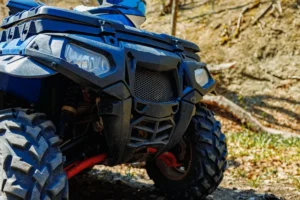
An ATV, or all-terrain vehicle, is a compact off-road vehicle usually built for one rider and controlled with handlebars. Its smaller size, quick handling, and narrow width make it useful for tight trails, rough terrain, farms, and outdoor work areas.
Typical ATV Ownership Use Cases
Many ATV owners use their vehicles for recreation, trail riding, hunting, camping, or exploring off-road areas. Their compact build makes them easier to handle on narrow paths, wooded trails, rocky ground, and uneven terrain.
ATVs are also useful for work on farms, ranches, and large properties. Owners often use them to carry supplies, inspect fences, move around land, or reach places where larger vehicles cannot go.
Key Characteristics That Affect Ownership And Storage
ATV ownership depends on safe handling, local registration rules, and knowing how to control the vehicle on sharp turns or rough ground. Riders should understand their ATV’s size, weight, and handling before using it regularly.
Storage is usually easier because ATVs are smaller than many other off-road vehicles. Most models can fit in a garage, shed, trailer, or storage unit with enough room for basic access and maintenance.
What Is A UTV
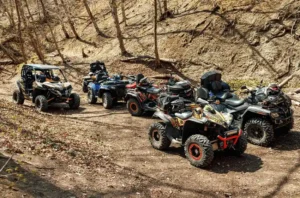
UTVs, or utility task vehicles, offer a unique driving experience. They are known as side-by-sides and are perfect for those who enjoy riding with friends. Unlike ATVs, UTVs have a steering wheel and foot pedals, making them feel like driving a car or truck.
Typical UTV Ownership Use Cases
UTVs are loved for their versatility. They can seat multiple people, making them great for families and groups. This feature is perfect for those who love exploring trails together.
UTVs are also great for work. They can haul heavy equipment and carry camping gear. This makes them essential for both work and play.
Key Characteristics That Affect Ownership And Storage
UTVs come with important safety and comfort features. They have roll cages and seat belts for safety. You can choose between bench or bucket seats, depending on your needs.
But these features also affect how you store your UTV. Here are some things to consider:
- Width: UTVs are wider than ATVs. Make sure your storage area or trailer can fit them.
- Seating: Bench seats hold more people but make the UTV wider.
- Storage: The extra cargo space is a big plus. But, it means you need more room in your garage or shed.
Knowing the size of your UTV is key for long-term use. By planning for its size, you keep it safe and ready for your next adventure.
ATV vs UTV Ownership Differences
ATV and UTV ownership can involve different paperwork, safety rules, and registration needs. Before buying either vehicle, check the title, insurance, registration, and local trail requirements so ownership stays clear and legal.
Purchase And Documentation Requirements
When buying an ATV or UTV, make sure you receive the right ownership documents from the seller or dealer. This may include a bill of sale, title, registration papers, and the manufacturer’s certificate of origin.
These documents matter because ATV legal ownership can be difficult to prove without proper paperwork. Keep everything safe, especially if you need insurance, trail access, registration, or future resale. Clear records also help you avoid fines, stolen vehicle concerns, or ownership disputes later.
Titling And Proof Of Ownership Considerations
A title helps prove legal ownership of the ATV or UTV. Some smaller ATVs may not need a title in every area, but larger UTVs often have stricter registration or titling requirements.
UTVs may also face more rules because they can include roll cages, seat belts, and passenger seating. Always check local requirements before riding on public trails or transferring ownership.
Transfer And Resale Considerations
Clean paperwork makes resale much easier for both the seller and buyer. Before selling, check that the title is clear, the registration is current, and there are no liens on the vehicle.
For the seller, the transfer process should be simple and well documented. Maintenance records, manuals, and original documents can improve buyer confidence because they show the ATV was cared for and make the final ownership transfer easier to complete.
ATV vs UTV Registration Differences
ATV and UTV registration rules can differ because each vehicle has a different design, seating style, and legal classification. Before riding on public trails, roads, or state-managed land, check your local requirements so you avoid fines, access issues, or vehicle penalties.
Registration Requirements By Vehicle Type
ATVs usually have handlebars and straddle seating, while UTVs have steering wheels, bucket seats, and passenger space. These differences can affect whether the vehicle needs a title, registration decal, trail pass, or other documents.
Always check your state’s rules before registering either vehicle. Make sure the VIN is visible, the ownership documents are ready, and the vehicle classification matches local requirements.
Public Land And Road Use Considerations
Public trails, parks, and riding areas often require current registration or a valid trail permit. Some states also use registration fees to support trail maintenance and off-road vehicle management.
Road use is different from trail use, so registration does not always mean the vehicle is street legal. Check local road rules before driving an ATV or UTV on paved streets, shoulders, or public roads.
Compliance And Permit Requirements
Compliance includes more than registration paperwork. Owners may need visible decals, active permits, proof of ownership, insurance, and safe riding practices depending on local rules.
Keep your documents in a secure, waterproof place when riding. Renew permits on time and follow safety laws, including rules against riding under the influence.
ATV vs UTV Storage Differences
ATVs and UTVs need different storage setups because they differ in size, weight, width, and access needs. ATVs usually fit into smaller spaces, while UTVs often need a larger garage bay, wider trailer, and stronger security protection.
Space And Storage Requirements
ATVs are more compact, so they can usually fit in a garage corner, shed, trailer, or smaller storage unit. UTVs are wider and longer, especially models with roll bars, bench seats, bucket seats, or larger tires.
Measure the full length, width, and height before choosing a storage space. You should also leave enough room around the vehicle for cleaning, inspection, and basic maintenance.
Transportation And Access Considerations
ATVs are easier to move because they can often fit on smaller utility trailers. UTVs usually need a wider and stronger trailer because they are heavier and take up more space.
Access also matters when planning rides or storage. ATVs are better for narrow trails and tight turns, while UTVs may need wider trails, larger parking areas, and more careful route planning.
Security And Protection Needs
Both ATVs and UTVs need secure storage to reduce theft, vandalism, and weather damage. UTVs may need stronger locks, anchors, alarms, or enclosed storage because they are larger and often more expensive.
A quality cover, dry storage space, and regular cleaning can help protect both vehicle types. Removing mud, dirt, and moisture before storage helps prevent rust and keeps the machine ready for the next ride.
Costs Associated With Ownership And Storage
Owning an ATV or UTV involves more than the purchase price. You also need to plan for maintenance, insurance, registration, trail permits, safety gear, and the storage space needed to keep the vehicle protected.
Ownership-Related Expenses
ATVs usually cost less to buy and maintain than UTVs. UTVs often have larger frames, more features, passenger seating, and higher repair or replacement costs.
Regular maintenance is still important for both vehicles. Oil changes, tires, brakes, safety gear, and basic training should be included in your ownership budget.
Registration And Compliance Costs
Registration rules depend on your state and where you plan to ride. Public trails, parks, and riding areas may require current registration, decals, insurance, or an annual trail pass.
Keeping these documents updated helps you avoid fines or access problems. Always check local DMV or off-road vehicle rules before riding.
Storage And Facility Considerations
Storage costs depend on vehicle size, protection level, and facility features. ATVs need less space, while UTVs usually require larger units because of their width, height, cargo area, and accessories.
A secure storage facility can protect your vehicle from theft, weather, rust, and long-term wear. Choose a space that fits the vehicle properly and allows safe access for cleaning or maintenance.
When An ATV Makes More Sense Than A UTV
An ATV makes more sense when you mostly ride alone, need something easy to store, or want a smaller vehicle for tight trails. Its compact size, handlebar steering, and simple setup make it a practical choice for riders who want less space, lower ownership effort, and more trail flexibility.
Individual Recreational Use
ATVs are a strong choice for solo riders who enjoy narrow trails, rough terrain, and more active handling. The handlebar steering and straddle seating let riders lean into turns and stay more connected to the trail.
Their narrower build also helps them move through wooded paths, tight corners, and smaller obstacles more easily. This makes ATVs better for riders who want a more direct and agile off-road experience.
Limited Storage Space
ATVs are easier to store because they take up less room than most UTVs. Many models can fit in a garage corner, shed, trailer, or even a pickup truck bed.
They are also simpler to cover, secure, and move around when not in use. This makes them a good option for owners who want off-road fun without needing a large garage bay or heavy trailer.
Simpler Ownership Requirements
ATVs are usually simpler to own because they have fewer large components than UTVs. They may also involve lower maintenance, easier storage, and fewer accessories to manage.
Registration, trail permits, and basic upkeep can still apply, but the overall ownership process is often more straightforward. This makes ATVs a practical choice for riders who want to spend more time riding and less time managing the vehicle.
When A UTV Makes More Sense Than An ATV
A UTV makes more sense when you need passenger seating, cargo space, towing power, or a more comfortable ride for work and recreation. It is larger than an ATV, but the added space, safety features, and utility make it better for shared rides, property tasks, and heavier outdoor jobs.
Passenger And Utility Needs
UTVs are better when you need to carry more than one person. They usually have a steering wheel, pedals, seat belts, roll cages, and side-by-side seating that feel more like a small off-road vehicle.
They also offer more cargo space for tools, camping gear, supplies, or hunting equipment. Their suspension and larger frame can handle heavier loads while giving passengers a more stable ride.
Commercial Or Property Management Use
UTVs work well for farms, ranches, job sites, and large properties because they can carry tools, supplies, and equipment more easily. Their cargo beds and stronger towing capacity make them useful for daily work.
They are also more practical for teams who need to move people and materials across rough land. Roll bars, seat belts, and enclosed options can add more safety for work-related use.
Long-Term Storage And Transportation Considerations
UTVs need more storage space than ATVs because they are wider, taller, and heavier. Before buying one, make sure you have enough room in your garage, trailer, or storage unit.
Transportation also requires more planning because many UTVs need a wider, stronger trailer. The larger size can be less convenient, but it is often worth it for owners who need both utility and comfort.
How To Choose Between An ATV And A UTV
Choosing between an ATV and a UTV depends on how you ride, how much space you need, and what kind of work or recreation you plan to do. ATVs are better for solo riding and tight trails, while UTVs are better for passengers, cargo, comfort, and heavier tasks.
Evaluating Ownership Requirements
ATVs are a good fit for riders who want a smaller, more active off-road vehicle. They are easier to handle on narrow trails, sharp turns, and rough terrain where a larger vehicle may feel limited.
UTVs usually require more planning because they are bigger, heavier, and built for more passengers or work use. Think about your riding style, comfort needs, and maintenance budget before choosing.
Understanding Registration Obligations
Registration rules can vary by state, trail system, and vehicle type. Some areas may require a title, registration decal, trail pass, insurance, or license plate for public land use.
Before buying an ATV or UTV, check the local rules for where you plan to ride. Keeping documents updated helps you avoid fines and keeps your vehicle legal for trail or public land access.
Matching Storage Needs To Vehicle Type
Storage space should be part of your buying decision. ATVs take up less room and are easier to fit in a garage, shed, trailer, or smaller storage unit.
UTVs need more space because they are wider, taller, and often built with cargo beds, roll cages, and passenger seating. If storage is limited, an ATV may be the easier and more practical choice.
Final Thoughts
Choosing between an ATV and a UTV comes down to how you ride, what you need to carry, where you plan to use it, and how much space you have for storage. ATVs are better for solo riders, tight trails, and simpler ownership, while UTVs are better for passengers, cargo, property work, and heavier outdoor tasks.
Before buying either vehicle, check the ownership documents, registration rules, trail requirements, and storage needs in your area. RecNation gives ATV and UTV owners secure storage options designed to protect off-road machines from weather, theft, and long-term wear, so they stay ready for the next ride.
FAQ
What’s the difference between an ATV and a UTV for a first-time buyer?
ATVs, or quads, have a handlebar for steering and require riders to sit on the seat. UTVs, or side-by-sides, have a steering wheel and foot pedals. They offer bench or bucket seats for more people and come with safety features like roll cages and seat belts.
What are the registration requirements if I want to ride in Wisconsin?
In Wisconsin, you need to register your terrain vehicle for public use. This includes having a valid registration certificate and a current trail pass. If you only use it on private property for work, a private use registration might be enough.
When does an ATV make more sense than a UTV for recreation?
ATVs are great for navigating narrow trails and sharp turns. They are narrower than UTVs, so they can go where wider vehicles can’t. ATVs are also better for solo riders who need to handle loose gravel and rough terrain.
Do UTVs offer better utility for hauling and agricultural work?
Yes, UTVs like the Polaris Ranger have lots of cargo space and towing capacity. They are wider and more stable, making them perfect for heavy tasks. They can also be used on public roads for farm work, as long as you follow local laws.
What should I consider regarding the ownership of an ATV or UTV?
You need to have a valid title and proof of ownership, whether it’s yours or leased. Wisconsin law requires these documents, along with a registration certificate, to be carried with the vehicle. UTVs are often more expensive and require more maintenance than ATVs.