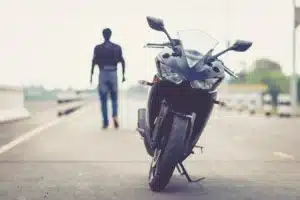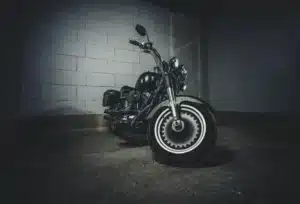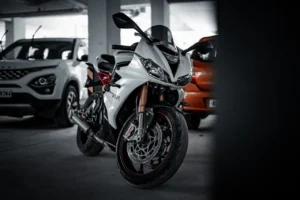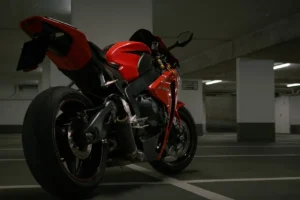
Parking your motorcycle overnight can be risky, especially outdoors or in an unfamiliar area. The right parking spot, strong locks, and basic weather protection can lower the chance of theft, damage, or tampering.
Use a disc lock, heavy chain, or alarm lock to make your bike harder to move. A fitted motorcycle cover also helps hide the bike, protect it from rain and dust, and reduce unwanted attention.
For riders who need a safer long-term option, a secure motorcycle storage space can offer better protection than leaving the bike outside overnight. This guide covers simple steps to help keep your motorcycle safe when you cannot watch it yourself.
Why Overnight Parking Increases Risk
Overnight Motorcycle parking is different from daytime parking because fewer people are around, visibility drops, and your bike stays exposed for several hours. These conditions make it easier for thieves or vandals to act without being noticed.
Knowing these risks helps you make better parking choices before leaving your motorcycle for the night.
Reduced Visibility And Surveillance
Low visibility makes it easier for someone to approach your motorcycle without being noticed. A bike parked behind a wall, beside a dumpster, at the far end of a lot, or on a dark side street gives thieves more privacy to check the lock or tamper with parts.
A better spot is one that stays visible from several angles. Parking under a streetlight, near a building entrance, close to a security camera, or beside regular foot traffic can make your motorcycle a less convenient target.
If good lighting is not available, add protection where you can. A motion light, visible alarm, or camera nearby can help draw attention if someone gets too close.
Higher Theft And Tampering Risk
Motorcycles are easier to roll, lift, or load than cars, so a thief may not need much time if the bike is poorly secured. A steering lock alone is not enough because it does not stop someone from lifting the front end, dragging the bike, or loading it into a vehicle.
Use one lock to stop the wheel from moving and another to secure the frame to something fixed when possible. A disc lock can stop rolling, while a heavy chain around a post, railing, or ground anchor makes the bike harder to remove.
An alarm lock adds noise, which can be just as important as the lock itself. Thieves usually want quiet, fast access, so anything that creates delay, attention, or extra work can reduce the risk.
Extended Exposure To Environment
Leaving your motorcycle outside overnight also exposes it to rain, dew, dust, cold air, and moisture for hours at a time. Over time, that can affect the seat, paint, chain, metal parts, controls, and exposed electrical areas.
A fitted motorcycle cover helps reduce direct exposure and keeps the bike from standing out. It also makes it harder for someone to quickly identify the model, condition, or visible accessories.
Make sure the cover fits properly and stays secure in the wind. A loose cover can flap against the paint, shift overnight, or reveal the bike underneath.
How To Choose A Safe Overnight Parking Spot
The parking spot you choose plays a big role in how safe your motorcycle stays overnight. Even a strong lock works better when the bike is parked in a visible, active, and well-lit area.
A safer spot should make your motorcycle harder to approach unnoticed and easier for others to see.
Prioritizing Well-Lit And Visible Areas
Choose a parking spot with good lighting and clear visibility. Thieves are less likely to target a motorcycle when it is parked under streetlights, near a building entrance, or close to an active business.
Parking near security cameras, hotel entrances, or busy walkways can also help. These areas usually have more people nearby, which makes it harder for someone to tamper with your bike without being noticed.
Avoiding Isolated Or Low-Traffic Locations
Avoid dark alleys, empty corners, back streets, and quiet parking areas whenever possible. These spots give thieves more time and privacy to check your motorcycle, break a lock, or try to move it.
When a garage is not available, choose a place where your bike stays in plain sight. A slightly longer walk is often worth it if the parking spot is brighter, busier, and safer.
Evaluating Surroundings Before Parking
Before leaving your motorcycle, take a quick look around the area. Check whether there is a fixed object nearby, such as a post, railing, or ground anchor, where you can secure the bike with a strong chain.
Also look for warning signs like broken glass, poor lighting, hidden corners, blocked views, or vehicles that make the motorcycle harder to see from the street or building entrance. Hotel parking and public lots are usually safer when they are well-lit, close to active areas, and covered by cameras.
Street parking should only be used when the bike stays visible, while dark alleys, back corners, and isolated areas are best avoided.
How To Secure A Motorcycle For Overnight Parking
When parking your motorcycle overnight, the goal is to make it harder, louder, and more time-consuming to steal. One lock may slow someone down, but a layered setup gives your bike much better protection.
Use a mix of locks, alarms, covers, and smart positioning so the motorcycle does not look like an easy target.
Using Multiple Layers Of Security
A layered security setup makes your motorcycle harder to steal because each device solves a different problem. A disc lock helps stop the wheel from moving, a heavy chain can secure the bike to a fixed object, and an alarm can draw attention if someone touches or moves it.
A fitted cover adds another layer because it hides the model, condition, accessories, and visible security setup. If your motorcycle is often parked outside overnight, a GPS tracker can also help with location monitoring and recovery if the bike is stolen.
Positioning To Reduce Access And Movement
Where you place your motorcycle matters just as much as the locks you use. Always engage the steering lock before walking away, as it makes the bike harder to move or steer.
Park close to a wall, curb, post, or another vehicle when possible. A tighter parking position gives thieves less room to use tools, lift the bike, or roll it away quietly.
Securing Nearby Objects And Anchoring Options
If you park at home or in a regular private spot, a ground anchor is one of the strongest options. Secure the motorcycle with a heavy chain, cable lock, or U-lock through the frame and anchor so the bike is harder to lift, roll, or move.
When a ground anchor is not available, look for a fixed object such as a metal railing, post, or secure bike stand. Keep the chain tight and off the ground where possible, since loose chains are easier to cut or attack with leverage tools.
How To Reduce Risk During Extended Parking Hours
When your motorcycle stays parked for several hours or overnight, security is not only about locks. It is also about avoiding patterns that make your bike easy to watch, track, or target.
If overnight parking becomes part of your regular routine, think beyond one-night protection. A safer long-term setup should reduce exposure, improve visibility, and make the motorcycle harder to access.
Minimizing Predictability In Parking Habits
Parking in the same exact spot every night can make your routine easy to notice. Someone who sees the bike parked there repeatedly may learn when it is left unattended and how much security you use.
When possible, rotate between safe, well-lit spots instead of always choosing the same corner. If you use the same lot, change the section or position slightly so your motorcycle does not become an obvious routine target.
Still, do not trade predictability for a worse location. A visible, well-lit spot is better than a hidden area, even if you have used it before.
Avoiding High-Risk Time And Location Patterns
Some parking choices become riskier late at night because fewer people are around. Empty lots, quiet side streets, back corners, blocked spaces, and areas behind buildings give thieves more time to act without being seen.
Choose spaces near entrances, cameras, active businesses, hotel lobbies, or places with regular movement. A motorcycle parked in plain sight is usually less attractive than one hidden in a dark or low-traffic corner.
If you often leave your motorcycle outside overnight, the better solution may not be adding more locks every time. A secure motorcycle storage space can reduce daily exposure and give the bike a more protected place when it is not being used.
Considering Surveillance And Monitoring Options
Surveillance tools can help when your motorcycle is parked for long hours. A GPS tracker can alert you if the bike moves and may improve the chance of recovery after theft.
A visible alarm system can also discourage tampering because it creates noise and draws attention. When paired with a strong lock, it makes the bike harder to steal quietly.
For riders with a regular parking space, a stronger setup may include a ground anchor, heavy chain, disc lock, alarm, cover, and tracker. If that setup is not practical at home or in public parking, RecNation motorcycle storage can be a safer option for reducing overnight risk and weather exposure.
What To Do Before Leaving Your Motorcycle Overnight
Before leaving your motorcycle for the night, take a quick walk around it. A simple final check helps you spot loose locks, exposed valuables, poor positioning, or anything that could make the bike easier to steal or damage.
This routine only takes a minute, but it can make your overnight parking much safer.
Final Security and Lock Checks
Make sure every security device is properly locked before you walk away. Check that the disc lock is fully attached, the steering lock is engaged, and any chain or cable lock is secured through the frame or a solid part of the motorcycle.
If you are using a ground anchor, keep the chain tight and avoid leaving it loose on the ground. Slack gives thieves more room to use cutting tools or leverage, so the lock should feel firm and difficult to move.
Removing or Securing Valuables
Do not leave helmets, gloves, GPS units, phone mounts, bags, or other accessories visible on the motorcycle. Even small items can attract attention and make someone stop to check the bike more closely.
Empty your saddlebags, tank bag, or storage compartments before leaving the motorcycle overnight. If you are staying at a hotel, take your gear inside or ask whether they have a safer place to store it.
Confirming Stability and Positioning
Before leaving, make sure the motorcycle is stable on its stand and parked in a position that is difficult to access or move. Parking near a fixed object, wall, railing, or light pole can give you better anchoring options and reduce open space around the bike.
If you use a motorcycle cover, secure it tightly so it does not blow off or expose the bike underneath. A fitted cover helps protect the motorcycle from weather and also makes it harder for thieves to quickly identify the make, model, or condition of the bike.
What To Check When Returning To Your Motorcycle
When you return to your motorcycle, do not start it immediately. Take a quick look around first to make sure nothing was moved, damaged, loosened, or tampered with while it was parked.
This short check can help you catch problems before riding away.
Signs Of Tampering Or Damage
Walk around the motorcycle and look for anything that seems different from when you left it. Check whether the cover has shifted, the mirrors or handlebars have moved, the seat or storage area looks disturbed, or any visible accessory appears loose or missing.
Also inspect the ignition area, locks, chain, brake rotor, and wheel area for fresh scratches, tool marks, broken plastic, metal shavings, or loose parts.
If you notice clear damage or signs of attempted theft, report it to hotel staff, parking security, or local authorities before moving the motorcycle.
Inspecting Locks And Components
Check your disc lock, chain, cable lock, and steering lock before removing anything. Look for cut marks, forced-entry signs, loose fittings, or damage around the lock points.
Also inspect the brake rotor, wheel area, and handlebar movement. If the steering feels stiff, the rotor has new marks, or something does not feel right, get the bike checked by a mechanic before riding.
Checking Surroundings Before Riding Away
Before you ride off, look around the parking area for broken glass, tools, loose parts, spilled fluids, or anything placed near your tires. Also make sure your alarm, GPS tracker, and any other security device are still in place.
Only start riding once the motorcycle feels stable, the brakes work normally, and nothing looks suspicious. A quick return check helps protect both your bike and your safety.
Common Mistakes When Parking A Motorcycle Overnight
Many riders choose the closest parking spot without thinking about security. That can be risky, especially when the motorcycle is left outside for several hours at night.
Avoid these common overnight parking mistakes:
- Parking in a dark, hidden, or low-traffic area.
- Leaving the motorcycle unlocked or relying only on the steering lock.
- Forgetting to use a disc brake lock, chain, or U-lock.
- Not securing the bike to a fixed object when one is available.
- Leaving helmets, bags, tools, or valuables in the saddlebag.
- Parking without a motorcycle cover in an exposed area.
- Choosing convenience over visibility, lighting, and security.
- Relying only on insurance instead of preventing theft first.
A safer approach is to park in a well-lit area, lock the motorcycle with more than one security device, and use a cover to reduce attention. These small steps can make your bike harder to target and give you better peace of mind overnight.
Final Thoughts
Parking a motorcycle overnight safely comes down to simple, consistent habits. Choose a visible and well-lit spot, use more than one lock, secure the bike to a fixed object when possible, and cover it so it does not attract easy attention.
Before leaving, remove valuables and do a quick final check so the bike is stable, locked, and harder to move.
For riders who regularly leave their motorcycle outside, a secure storage option can offer more peace of mind than relying on street parking or open lots.
RecNation provides dedicated motorcycle storage solutions designed to help protect bikes from weather exposure, theft risk, and long overnight parking concerns, giving riders a safer place to keep their motorcycle when it is not in use.
FAQ
What is the most effective way to keep your motorcycle safe when parking overnight?
The safest approach is to use layered security. Use a disc lock to stop the wheel, a heavy chain to secure the frame to a fixed object, and a cover to reduce attention. An alarm or GPS tracker adds another layer if the bike stays outside often.
Is motorcycle insurance enough for overnight parking?
Motorcycle insurance can help after theft or damage, but it does not prevent either from happening. Locks, alarms, covers, safer parking choices, and secure storage reduce the risk before you ever need to file a claim.
How can I find a secure parking spot when staying at a hotel or motel?
Ask the front desk where motorcycles are usually parked, then choose a space near the lobby, lighting, or security cameras. Avoid back corners, hidden side areas, and spots blocked by large vehicles.
Why should I avoid street parking in the city for overnight parking?
Street parking often leaves your motorcycle exposed to low visibility, foot traffic, weather, and tampering. If you must park on the street, choose a bright, visible area near active buildings and secure the bike to a fixed object when possible.
Does using a motorcycle cover really help protect your bike from thieves?
Yes, a motorcycle cover can help because it hides the bike’s model, condition, accessories, and visible security setup. It also protects against dust, rain, dew, and overnight moisture, especially when the cover fits tightly and stays secured.