At some point, most car owners face a version of the same question: the car needs to sit for a while, and the driveway or the street is not the answer. Maybe it is a classic that only comes out on weekends. Maybe a deployment, a move, or a season in another state means the car sits for months. Maybe there are simply more cars than garage space. Whatever the reason, how you store it and how you prep it before it sits determine what you come back to.
This guide covers when car storage makes sense, how to prep a car so it comes out of storage ready to drive, the protection levels available, what each costs, and what to look for in a facility. It applies whether the car sits for six weeks or six months.
When Car Storage Makes Sense
Car storage is not one use case; it is several, and each has different stakes:
- Classic and collector cars: a vehicle worth $50,000 or more that lives indoors and comes out for shows, cruises, or weekend drives. The protection math is straightforward: the car’s value justifies enclosed storage, and the alternative is building or renting a garage.
- Seasonal and sports cars: convertibles, rear-wheel-drive sports cars, and anything that does not handle winter. Stored from November through April in northern states, or through the heat of summer in the desert.
- Deployment and extended travel: military deployment, a work assignment abroad, or a months-long trip. The car is not being used but needs to be somewhere secure and maintained.
- Snowbirds: leaving a daily driver in one state while spending the season in another. The car sits while you are gone.
- Overflow: more vehicles than garage or driveway space. A project car, a teenager’s car before they can drive, or a third vehicle that does not fit.
The common thread is a car that is not being driven for a stretch and needs to be parked somewhere that does not degrade it. What you do before you park it matters as much as where.
How to Prep a Car for Long-Term Storage
Proper prep is the difference between a car that starts and drives normally when you come back and one that needs a jump, new tires, and a fuel-system flush. The steps line up with storage guidance from AAA and Edmunds, and they apply whether the car sits for two months or eight:
- Fill the tank and add fuel stabilizer. Ethanol-blend fuel degrades within 30 to 60 days, and the residue gums up injectors and fuel lines. A full tank with stabilizer prevents both degradation and condensation inside the tank.
- Connect a battery tender (trickle charger). Modern cars draw power constantly for keyless entry, alarms, and computer modules, and a battery left untended can die within weeks. A tender keeps it at full charge without overcharging. This requires an outlet at the storage space.
- Inflate tires to the upper end of the spec and consider jack stands. Tires develop flat spots when a car sits in one position for months, especially low-profile performance tires. Over-inflating slightly and, for longer storage, raising the car onto jack stands prevents flat-spotting entirely.
- Wash and wax the exterior. Dirt, bird droppings, and tree sap left on the paint etch into the clear coat over time. A clean, waxed surface seals out moisture and contaminants.
- Clean the interior and leave moisture absorbers inside. Crumbs attract pests, and trapped humidity feeds mildew on leather and fabric. Desiccant bags on the seats and floor absorb moisture while the car is closed up.
- Change the oil if the car will sit for more than three months. Used oil contains acids that can corrode engine internals over a long sit. Fresh oil with a new filter removes that risk.
- Plug the exhaust and air intake. Steel wool or purpose-made covers keep rodents from nesting in the engine bay or exhaust system, which is a common and expensive problem in storage.
For shorter storage (under two months), the battery tender, fuel stabilizer, and a good wash are the essentials. For anything longer, the full list is worth doing.
How Long Can a Car Sit Without Starting?
With proper prep, a car can sit for months without being started. Without it, problems begin within weeks. Here is what fails first and when:
- Battery: the first thing to go. A modern car can drain a healthy battery in 2 to 4 weeks without a tender, faster if it has aftermarket electronics, a dashcam, or a GPS tracker drawing power. Luxury cars with more onboard computers tend to drain faster than simpler vehicles.
- Fuel: ethanol-blend gasoline begins degrading in 30 to 60 days without stabilizer. The residue varnishes the inside of the fuel system, gumming up injectors and clogging filters. Non-ethanol fuel lasts longer but is harder to find and more expensive.
- Tires: flat spots can develop in as little as 30 days on low-profile performance tires with a heavy car sitting on them. Standard all-season tires are more forgiving but still vulnerable after 2 to 3 months. The flat spots are sometimes permanent on older or harder rubber.
- Brakes: rotors can develop surface rust within days in humid environments. A light layer burns off on the first drive, but months of humidity can cause pitting that requires resurfacing or replacement.
- Seals and gaskets: o-rings and rubber seals dry out faster when the car is not running, because circulation keeps them lubricated. This matters more after 6 months or more, and most on cars with older rubber.
The short answer: prep the car and it can sit comfortably for a full season. Skip the prep and you are likely dealing with a dead battery within a month and a fuel-system issue within two.
One common mistake worth avoiding: starting the car periodically without driving it long enough to reach full operating temperature. Short idling runs build condensation in the exhaust and oil system, which causes more corrosion than leaving it properly stored and untouched. If you are not going to drive it for at least 15 to 20 minutes at highway speed, do not start it.
Car Storage Types: Outdoor, Covered, and Enclosed
Car storage comes in the same three protection levels as RV or boat storage, but the decision factors are different because cars are smaller, more sensitive to paint and interior damage, and often worth enough that the protection gap between tiers matters more.
Outdoor storage
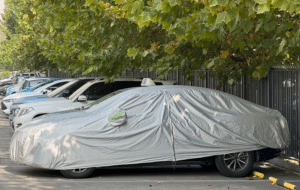
Outdoor storage parks the car in an open, secured space inside a fenced facility. It is the most affordable option, and for a daily driver or a project car that is not precious about paint, it works. For anything with a finish or interior you care about, a quality car cover on top of outdoor storage is the minimum, and covered or enclosed is the better call.
Covered storage
Covered storage adds a roof, which blocks direct sun and most rain while leaving the sides open for airflow. For most car storage situations, covered is the balance point: it protects the paint and interior from UV without the cost of a full enclosure, and the open sides mean moisture does not get trapped. It is the right choice for seasonal cars, daily drivers on a longer sit, and anything where sun damage is the main threat.
Enclosed storage
Enclosed storage places the car inside a fully walled, lockable unit, protected from sun, rain, dust, theft, and prying eyes. It is the right level for classic and collector cars, high-value vehicles, and anything where the car’s condition is part of its financial value. The additional cost over covered storage is modest relative to the value of the cars that typically need it.
| Storage type | Protection | Best for | Monthly cost |
|---|---|---|---|
| Outdoor | Fenced, secured, open air | Daily drivers, project cars, budget | $50 to $200 |
| Covered | Roof, open sides, secured | Seasonal cars, sun protection | $100 to $300 |
| Enclosed | Full walls, lockable unit | Classic, collector, high-value | $150 to $500+ |
A car typically fits a 10×20 unit, which sits at the smaller and more affordable end of the range. That makes enclosed car storage cheaper than enclosed RV or boat storage, which is worth knowing if you assumed it was out of reach.
How Much Does Car Storage Cost?
Car storage is generally more affordable than RV or boat storage because the vehicle is smaller. A standard sedan or coupe fits a 10×20 unit, which means you are paying for less space than a 30-foot trailer or a 40-foot motorhome would need.
As a rough guide across RecNation’s markets:
- Outdoor: $50 to $200 a month. The fenced, secured, open-air option. Add a quality car cover for paint protection.
- Covered: $100 to $300 a month. A roof blocks sun and most rain, which is the single biggest upgrade for paint and interior preservation.
- Enclosed: $150 to $500 or more a month. Full walls, a lockable door, and complete protection from weather, dust, and theft. The math works differently for a $75,000 classic than for a $15,000 daily driver.
Region matters: a 10×20 enclosed unit in a Phoenix suburb costs less than the same unit in a coastal metro, so searching your city gives the most accurate picture. Month-to-month terms mean you pay only for the months you need and can switch tiers if your situation changes.
What Makes Car Storage Good
The facility matters as much as the prep. A car, especially a valuable one, is a stationary target that needs more than just a parking space. Here is what separates good car storage from adequate:
- Controlled access with a log: a gate you open with an app or keypad, not a shared code or an unlocked entrance. The log tells you exactly who entered the facility and when, which matters for insurance claims if something goes wrong.
- Camera coverage you can trust: multiple cameras across the lot and at every entry point, recording continuously, not a single camera pointed at the office. Ask whether footage is stored and for how long.
- Power at the unit: this is non-negotiable for car storage, because your battery tender needs an outlet. A facility that offers covered or enclosed units without electrical access is missing the one feature that keeps a stored car’s battery alive.
- Flexible terms: monthly rather than annual, so you can store for exactly the duration you need and upgrade from outdoor to enclosed as the car’s value or your situation changes.
- Clean, paved ground: gravel throws dust and mud onto a washed and waxed car, and standing water under the vehicle accelerates underbody corrosion. Concrete or asphalt is the standard worth expecting.
- Enough room to open a door: a 10×20 fits most cars, but if the unit is too tight to open the door and walk around, you cannot inspect the car or connect the tender without squeezing past it.
RecNation offers outdoor, covered, and enclosed car storage across multiple major US states with all of the above: gated access, video monitoring, electrical outlets at covered and enclosed units, and month-to-month terms.
Reserve Car Storage Near You
Search car storage in your city, with facilities in metros like Houston, Dallas, Phoenix, Tucson, and Nashville, plus dozens of other locations. Compare unit sizes and real pricing, or browse the car storage page and our article on which size storage unit is best for a car to find the right fit..
Frequently Asked Questions
What is the best way to store a car long term?
Fill the tank with stabilized fuel, connect a battery tender, inflate the tires to the upper spec or use jack stands, wash and wax the exterior, clean the interior with moisture absorbers, change the oil for anything over three months, and plug the exhaust and air intake against rodents. Choose covered or enclosed storage to keep sun and weather off the car while it sits.
How much does car storage cost?
Outdoor car storage typically runs $50 to $200 a month, covered $100 to $300, and enclosed $150 to $500 or more, depending on the market and unit size. A standard car fits a 10×20 unit, which sits at the smaller and more affordable end of most facilities’ pricing.
How long can a car sit without being started?
With proper prep (battery tender, fuel stabilizer, tire inflation), a car can sit for a full season, 4 to 6 months, without issues. Without prep, the battery can die in 2 to 4 weeks, fuel begins degrading in 30 to 60 days, and tires can flat-spot within a month on low-profile rubber.
Is it worth storing a car in an enclosed unit?
For classic cars, collector vehicles, and anything where condition affects financial value, enclosed storage is usually worth the cost. A 10×20 enclosed unit is often less expensive than people expect because cars are smaller than RVs, and the protection from theft, dust, and weather is complete. For a daily driver on a shorter sit, covered storage is usually sufficient.
What size storage unit fits a car?
A 10×20 unit fits most sedans, coupes, and small SUVs with room to open a door and walk around. Larger trucks and full-size SUVs may need a 10×25 or 10×30. Measure your vehicle’s length and width and add 2 to 3 feet on each side for access.
Do I need to start my car while it is in storage?
Not if you prep it correctly. A battery tender keeps the charge, fuel stabilizer prevents degradation, and proper tire inflation prevents flat spots. Starting the car periodically without driving it long enough to reach full operating temperature can actually cause more harm than leaving it properly stored, because short runs build condensation in the exhaust and oil system.