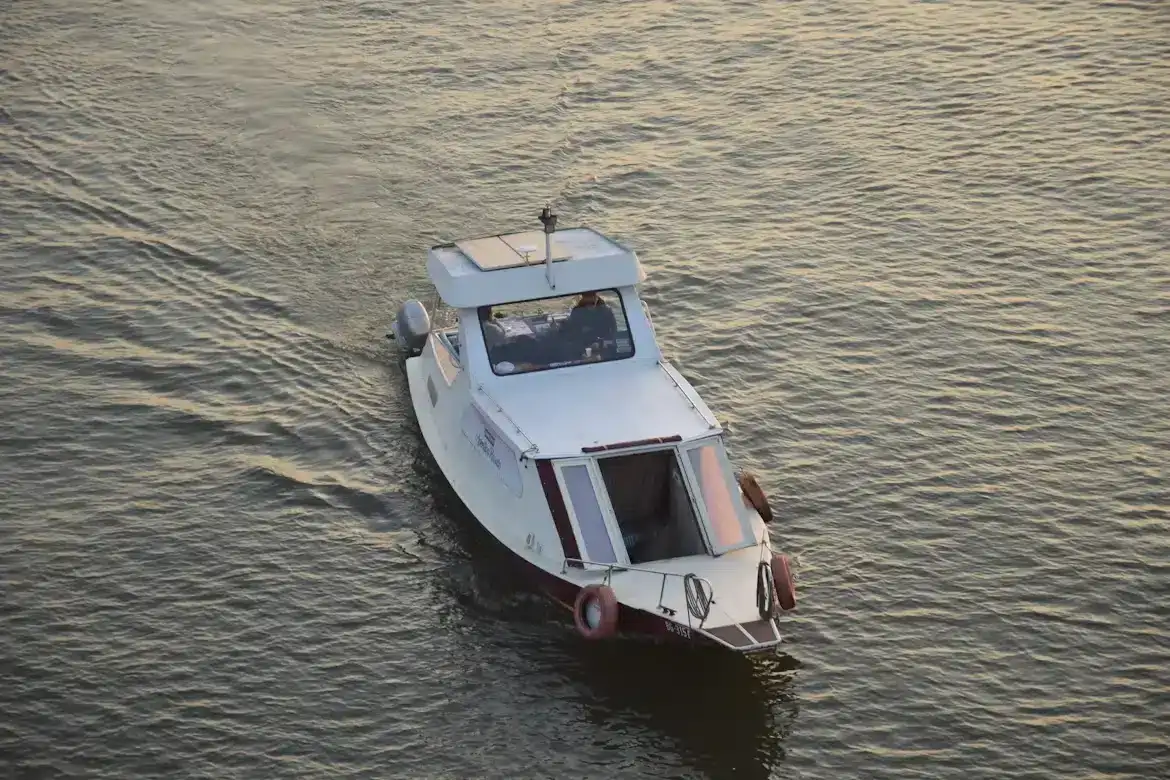
A boat can be written off as a business expense, but only if it meets the IRS conditions for business expense deductions, and those conditions are strict enough that many boat owners who claim the deduction end up having it disallowed. The IRS recognizes four legitimate pathways: core business asset depreciation, charter or rental income, second home mortgage interest, and business meals aboard.
Each pathway has distinct qualifying rules, and understanding which one applies to your situation determines whether your deduction survives scrutiny.
The Short Answer: When the IRS Allows a Boat Write-Off
A boat qualifies as a deductible business expense only when it meets the IRS definition of an ordinary and necessary business expense under IRC §162 and clears the specific threshold for whichever deduction pathway you’re using. The IRS does not treat boat ownership as inherently commercial, you have to prove it.
The Four Deduction Pathways at a Glance
| Pathway | Key Condition | IRS Form |
| Core business asset / listed property | Business use must exceed 50% | Form 4562, Schedule C |
| Charter or rental business | Income reported; material participation affects loss treatment | Schedule C or Schedule E |
| Second home mortgage interest | Boat must have sleeping berth, head, and galley | Schedule A |
| Business meals aboard | Meals must be separately invoiced; 50% deductible | Schedule C |
Entertainment expenses aboard a boat are no longer deductible under federal tax law for business expenses. The Tax Cuts and Jobs Act (TCJA) eliminated the deduction for client entertainment after 2017. Up to 50% of separately invoiced business meals served aboard may still qualify, but the trip itself does not.
Boat as a Core Business Asset: Listed Property Rules and the 50% Threshold
Boats are classified as listed property under IRC §280F, the same category as passenger vehicles and other assets the IRS considers susceptible to personal use. This classification imposes a gating condition that most boat owners don’t know about until it’s too late.
If your business use percentage exceeds 50%, you can depreciate the boat using MACRS depreciation over seven years and potentially claim a Section 179 deduction or bonus depreciation under IRS guidance on depreciation methods and property classes IRC §168(k) in the year of purchase. If business use is 50% or below, you must use slower straight-line depreciation, and if use falls below 50% in a later year after you’ve claimed accelerated depreciation, the IRS requires you to recapture the excess as ordinary income.
Here’s what that looks like in practice: if you purchase a boat for $80,000 and use it 60% for business, the depreciable business-use portion comes out to $48,000. If your business use percentage slips to 45% the following year, the IRS calculates the depreciation you would have taken under straight-line and requires you to add the difference back to income. The recapture amount is reported on IRS Form 4562 and taxed as ordinary income, not capital gains.
Purchasing a boat in a state with favorable sales tax treatment can reduce your cost basis, see our guide on states that have no sales tax on boats for a state-by-state breakdown.
How the 50% Business-Use Test Actually Works
The business use percentage is calculated by dividing documented business-use hours by total hours the boat was used during the year. Any trip that includes personal passengers or serves a personal purpose counts as personal use, even if you’re aboard for a business reason part of the time.
A fishing trip with a client that doubles as a family outing is personal use for the entire duration unless the business purpose is the clear and primary reason for the trip, documented at the time.
Section 179 and Bonus Depreciation for Boats
A boat that exceeds the 50% business-use threshold can qualify for the Section 179 deduction, which allows you to expense a large portion of the qualifying business-use cost in the year of purchase rather than depreciating it over time. Bonus depreciation under IRC §168(k) is also available on the business-use portion.
Bonus depreciation rates have been phased down from 100% since 2022, so confirm the current rate with a qualified tax professional before filing. Both deductions are claimed on IRS Form 4562 and are limited strictly to the business-use percentage of the purchase price.
Charter Boat Business: Deductions, Passive Loss Traps, and What the IRS Expects
A charter boat business is a legitimate structure for deducting boat-related operating expenses. Fuel, docking fees, insurance, maintenance, crew costs, and depreciation are all deductible as business expenses when the boat generates charter or rental income. For a thorough look at what commercial boat use involves day-to-day, see our boat ownership guide.
The part most charter boat owners miss involves IRC §469. Charter income is typically classified as passive income, which means losses from the charter activity can only offset other passive income. They cannot be used to reduce wages, self-employment income, or other ordinary income unless you meet the material participation threshold.
Material participation is defined under Treasury Regulation §1.469-5T and requires meeting one of seven tests. The most common is logging 500 or more hours of active participation in the activity per year. If you use a charter management company to handle bookings, scheduling, and operations, you almost certainly do not meet this threshold. That means your charter losses are suspended and carry forward until you either materially participate or sell the activity.
Docking and storage costs paid to a dedicated boat storage facility are deductible when the boat is used for charter. Boat storage at RecNation is one option for boat owners looking to keep those costs documented and organized alongside their other operating expenses.
Reporting Charter Income: Schedule C vs. Schedule E
Active operators who materially participate in the charter boat business report income and expenses on Schedule C, where losses can offset other income and net earnings are subject to self-employment tax obligations for schedule SE filers. Passive investors who use a management company typically report on Schedule E. Reporting on the wrong form is a common IRS audit trigger, so the classification should match your actual level of involvement.
Licensing and Commercial Registration Requirements
Chartering a boat for pay requires a USCG Captain’s License, commonly called the Six-Pack License, for up to six paying passengers. Larger operations require a higher-grade license. Most states also require commercial vessel registration separate from recreational registration. The costs of obtaining and renewing these licenses and registrations are deductible as ordinary and necessary business expenses.
The Hobby Loss Rule: The IRS’s Most Powerful Weapon Against Boat Write-Offs
No competitor covers this rule, but it’s the IRS’s primary tool for disallowing boat write-offs from operations that don’t demonstrate a genuine profit motive. Under IRC §183, the IRS can classify any activity as a hobby rather than a business if it fails to show a profit in at least 2 of 5 consecutive tax years.
When IRC §183 applies, all deductions are disallowed. Under current law post-TCJA, hobby expenses are not deductible at all. That means the IRS can assess back taxes on every deduction you claimed, plus penalties and interest. Boats are inherently recreational, which means the IRS starts with skepticism when reviewing a boat-based business that hasn’t generated taxable profit. If you’re considering the financial structure of boat ownership more broadly, our guide on boat investments covers the ownership economics in detail.
To protect yourself, document your profit motive actively. A written business plan, marketing records, evidence of professional consultations, and proof of serious operational effort all support the argument that the activity is a legitimate business. A qualified tax professional can help you structure the activity and document the intent in ways that hold up if the IRS looks closely.
How the IRS Distinguishes a Boat Business from a Hobby
The IRS applies nine factors from IRS Publication 535 to determine profit motive. No single factor is determinative, the IRS weighs them together. In plain English, they are:
- How much time and effort the owner puts in
- Whether the owner depends on this income
- Whether losses are from startup costs or structural problems
- Whether the owner has profited from similar activities before
- The history of income and losses
- The amounts of occasional profit
- The owner’s financial status
- Whether the activity has personal recreation value
That last factor works against boat owners automatically.
What Documentation Survives an IRS Audit
Under Treasury Regulation §1.274-5T, deductions for listed property require contemporaneous records. That means logs maintained at or near the time of each use, not reconstructed from memory at year end. The IRS can and does disallow otherwise legitimate IRS business expense deductions when contemporaneous records are missing, even when the underlying expenses were real.
For each business use of the boat, your tax write-off documentation must include the following:
- The date of use
- The specific business purpose of the trip
- The names of any clients, employees, or business contacts aboard
- The hours of business use for that trip
- The total hours of use for the year
Fuel receipts, docking invoices, and maintenance records support the expense claim but do not substitute for the use log. A mileage and travel expense log serves an analogous function for vehicle expenses, the boat log works the same way but tracks hours rather than miles.
Red Flags That Trigger IRS Scrutiny on Boat Deductions
The IRS looks for specific patterns when reviewing boat deductions. Claiming 100% business use on a recreational vessel, reporting large first-year depreciation with no corresponding revenue, showing losses across multiple consecutive years, mixing personal and business trips without apportionment, and failing to produce contemporaneous logs on audit are the most common triggers. Each one individually draws attention, combined, they invite a full examination.
Boat as a Second Home: The Mortgage Interest Deduction
A boat qualifies as a second home for federal tax purposes if it has a sleeping berth, a head (bathroom), and a galley (kitchen). If those three elements are present, you can deduct the interest on your boat loan on Schedule A under the same rules that apply to a second home. For a broader look at the financial benefits of boat ownership, see our article on tax benefits to owning a boat and whether you should pay cash for a boat for how the financing decision affects your overall cost picture.
The deduction applies to the combined mortgage debt on your primary residence and second home, capped at $750,000 under current post-TCJA law. This deduction requires itemizing on your return, so it only applies if your total itemized deductions exceed the standard deduction. The IRS does not require a minimum number of nights aboard. Your lender should issue a Form 1098 showing interest paid for the year.
This pathway is independent from the business-use pathways. A boat can qualify as a second home for the interest deduction while also generating charter income reported separately on Schedule C or Schedule E.
Vacation Home Rules When You Both Use and Rent the Boat
If you rent the boat and also use it personally, IRC §280A’s vacation home rules apply. If personal use exceeds 14 days or 10% of the days the boat is rented (whichever is greater) in a year, the IRS treats it as a vacation home. In that case, rental deductions are capped at rental income, losses cannot be deducted. This directly limits the deduction strategy for charter boat owners who also use their vessel personally during the season.
For boat owners who use their vessel for business, whether as a charter operation, client transportation, or a company-owned asset, keeping it in a dedicated facility makes it easier to maintain the separation between business and personal use that the IRS requires. RecNation boat storage offers secure, purpose-built storage across eight states, giving you a documented, professional storage arrangement that supports your business records rather than complicating them.
Frequently Asked Questions
Can I claim a boat as a business vehicle?
Boats are not classified as vehicles for purposes of the standard vehicle expense deduction, but they are listed property under IRC §280F. You can depreciate the business-use portion and deduct operating expenses on Schedule C, but you cannot use the standard mileage rate. The business use percentage must exceed 50% to access accelerated MACRS depreciation or the Section 179 deduction.
What records do I need to deduct boat expenses?
Under Treasury Regulation §1.274-5T, you need a contemporaneous log for each business use showing the date, specific business purpose, names of people present, and hours used. Fuel receipts, docking invoices, and maintenance records support the claim but do not replace the log. Records reconstructed after the fact are typically rejected in an IRS audit.
Can I deduct my boat if I rent it out part-time?
Yes, but only the portion of expenses attributable to rental use is deductible. Losses are generally subject to passive activity loss rules under IRC §469 unless you materially participate in the rental activity. If you also use the boat personally and rentals exceed 14 days per year, vacation home rules under IRC §280A further restrict deductions to the amount of rental income.
Is charter income considered business income?
Charter income is taxable and nontaxable income subject to reporting requirements. Whether it goes on Schedule C (subject to self-employment tax) or Schedule E (as passive income) depends on your level of involvement. Boat owners who use a charter management company and are not actively involved in day-to-day operations typically report on Schedule E.
How can I reduce the IRS audit risk on boat deductions?
Keep contemporaneous logs for every business use, separate personal and business trips completely, document your profit motive with a written business plan and marketing records, and avoid claiming 100% business use on a vessel that’s also available for personal enjoyment, as outlined in IRS rules for travel, entertainment, and vehicle expenses. Having a qualified tax professional prepare the return and document the legitimate business purpose adds meaningful protection if the IRS reviews your return.
Can I use Section 179 to deduct a boat purchase?
Yes, a boat qualifies for the Section 179 deduction if business use exceeds 50%. The deductible amount is limited to the business-use percentage of the purchase price, you cannot expense the full cost if the boat is used partially for personal purposes. If business use falls below 50% in a later year, previously claimed Section 179 amounts must be recaptured as ordinary income on IRS Form 4562.