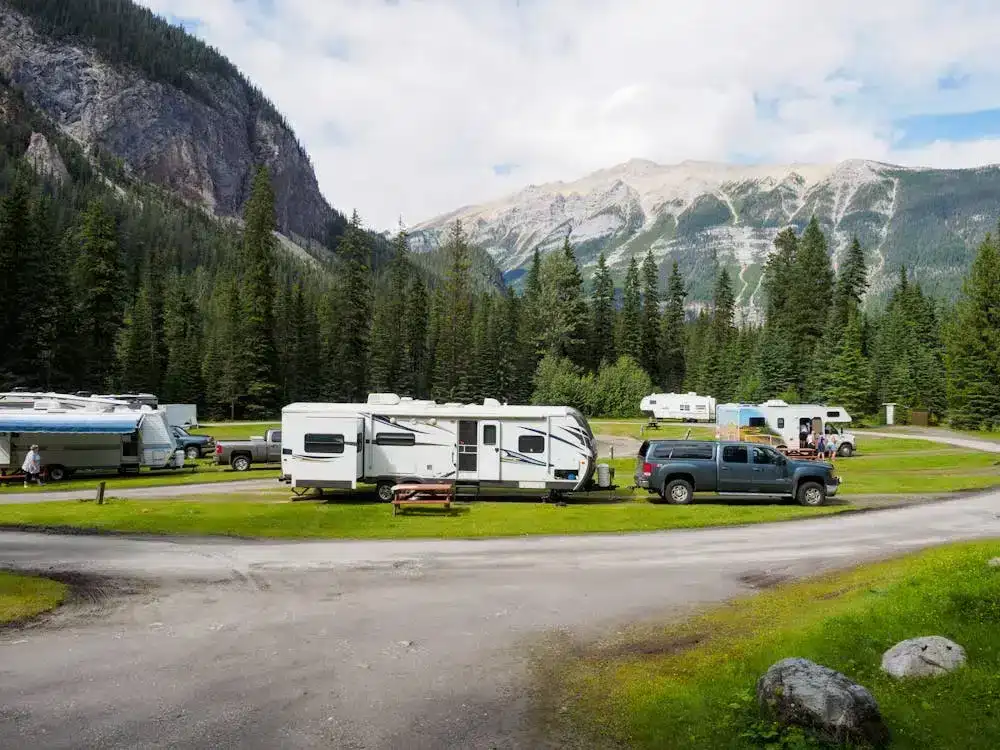
Choosing between a Class B and Class C motorhome comes down to one core trade-off: maneuverability and fuel efficiency versus living space and sleeping capacity. Class B wins on drivability and operating costs; Class C wins on room to breathe, especially for families. This article compares both classes across every dimension that actually affects the buying decision, and it delivers a direct recommendation for each type of buyer.
Class B vs Class C Motorhome: Quick Comparison
Before getting into the detail, here is the side-by-side breakdown buyers need. The table below covers the six dimensions that most often determine which class fits a given lifestyle. For a broader look at all motorhome types, see types of motorhomes and Class B RV manufacturers for a complete guide to builders in that class.
| Feature | Class B Motorhome | Class C Motorhome |
| Length range | 17 to 24 ft | 20 to 33 ft |
| Sleeping capacity | 2 to 3 | 4 to 8 |
| Fuel economy (MPG) | 16 to 22 (gas/diesel) | 8 to 14 (gasoline) |
| Starting price (new) | $80,000 to $150,000+ | $60,000 to $180,000+ |
| Towing capacity | Minimal; not designed for towing | 3,000 to 8,000 lbs depending on chassis |
| Parking difficulty | Low; fits standard parking spaces | Moderate to high; requires RV-designated sites |
| Best use case | Solo travelers, couples, spontaneous road trips | Families, groups, campground-based travel |
| Insurance type | Auto or RV policy | Dedicated RV policy typically required |
The verdict is clear: Class B is for buyers who want freedom of movement and lower operating costs at a smaller living footprint. Class C is for buyers who need real sleeping capacity and full amenities, and who are willing to pay more per mile to get them.
What Makes a Class B a Class B
A Class B motorhome is a van conversion built on a commercial van chassis, most commonly the Mercedes-Benz Sprinter, Ford Transit, or Ram ProMaster. The entire living area, cooking space, sleeping surface, and bathroom are contained within the original van body. RVIA certified Class B units meet the same construction and safety standards as larger motorhomes, but they do it in a package that stays under 25 feet. That size ceiling is not a limitation so much as a design philosophy: everything you need, nothing you don’t.
What Makes a Class C a Class C
A Class C motorhome uses a chassis-mounted build on a cutaway truck chassis, typically a Ford E-450 or Chevy 4500. The defining visual feature is the cab-over bunk that extends over the driver’s cab, which is where most of the sleeping capacity advantage comes from. Floor plan options vary significantly across Class C units, from compact 20-foot models that overlap with Class B in price and footprint to full-size 33-foot coaches with slide-outs and separate bedrooms. Most buyers don’t realize how wide that range is until they start shopping.
Size, Layout, and Living Space Compared
Size numbers only tell part of the story. What matters is how the living space actually functions when you’re parked for three nights and two people need to cook, sleep, and use the bathroom without stepping on each other.
Class B motorhomes run 17 to 24 feet long and typically measure 7 to 8 feet wide. Interior height on Sprinter-based units reaches 6 to 6.5 feet, so most adults can stand upright, which is a meaningful quality-of-life detail. The layout is all-in-one: the bed, kitchen, and bathroom share the same continuous space. Storage space is limited compared to any Class C unit of comparable price, and that trade-off is real for buyers who travel with gear, bikes, or outdoor equipment.
Class C motorhomes span 20 to 33 feet and offer meaningfully more interior square footage. Most full-size units have a dinette that converts, a defined kitchen area with a full-size refrigerator, and a bathroom with a separate shower stall. Slide-outs are available on many Class C floor plan options, which can expand the interior by several feet when parked. Class B units almost never have slide-outs.
If you’re curious whether a Class B Plus might bridge the gap, see what is a Class B Plus RV for a breakdown of how that category compares to both standard classes.
Sleeping Capacity by Class
Class B motorhomes typically sleep two comfortably and can stretch to three with a creative floor plan. Class C motorhomes sleep four to eight depending on configuration. The cab-over bunk accounts for most of that difference: it adds sleeping space for two without converting any furniture in the main living area. For a family with kids, that distinction changes the entire usability of the floor plan. For a couple, it’s extra square footage that mostly goes unused.
Kitchen and Bathroom Differences
Class B kitchens are galley-style: a two-burner cooktop, a compact sink, and a refrigerator that typically runs between 3 and 5 cubic feet. The bathroom in most Class B units is a wet bath, meaning the toilet, sink, and shower share the same small space and everything gets wet when you shower. Class C motorhomes typically have a dry bath with a separate shower stall, a larger sink, and more counter space. That single difference changes daily comfort substantially on trips longer than a weekend.
Fuel Economy and Drivability: Class B vs Class C
Fuel efficiency is where Class B makes its strongest financial argument. Class B Sprinter diesel units typically return 18 to 22 MPG on the highway. Gas-powered Class B units on the Transit or ProMaster chassis average 16 to 18 MPG. Class C motorhomes on gasoline chassis return 8 to 14 MPG depending on weight, length, and load.
To make that concrete: at 10,000 miles per year and $3.50 per gallon, a Class B averaging 20 MPG costs roughly $1,750 in fuel annually. A Class C averaging 10 MPG costs approximately $3,500 for the same mileage. Over five years, that gap reaches $8,750 before accounting for any price difference in diesel versus regular gasoline.
The driving experience is also meaningfully different. A Class B motorhome handles like a large cargo van. It fits in standard parking spaces, drives through most city streets without issue, and enters campgrounds without concern about site length limits. A Class C feels more like a truck: wider, taller, and requiring more attention to overhead clearance and turning radius. First-time recreational vehicle (RV) buyers consistently find Class B less intimidating on their first few trips.
Parking and Campground Access
Class B’s smaller footprint opens up campground sites that Class C cannot use. Many national park sites have 25-foot or 27-foot length limits that exclude full-size Class C units entirely. Class B motorhomes can also access stealth camping spots and urban overnight parking that would be impractical in a longer rig. Campground hookups are available for both classes, but site size restrictions at some parks effectively narrow the Class C’s options before you even check availability.
Licensing Requirements
Neither Class B nor most Class C motorhomes require a commercial driver’s license (CDL) for personal use in most states. However, larger Class C configurations can approach gross vehicle weight ratings (GVWR) that trigger different rules in certain jurisdictions. Buyers should verify their state’s DMV thresholds before purchasing a full-size Class C unit. Federal weight class thresholds are governed by FMCSA 49 CFR Part 383, which defines the CDL requirements tied to GVWR.
Total Cost of Ownership: Purchase Price, Fuel, Insurance, and Depreciation
Purchase price is not the same as cost of ownership, and the gap between those two numbers is where most buyers get surprised. A purchase price comparison that stops at the sticker price misses fuel, insurance, depreciation, and campsite fees that accumulate over five years of ownership.
On purchase price: new Class B motorhomes typically start between $80,000 and $150,000, with premium Sprinter-based models from Airstream and Winnebago pushing the top end. New Class C motorhomes have a wider range. Compact units start around $60,000 to $90,000, while full-size models with slide-outs run $80,000 to $180,000 or more. That means a compact Class C can deliver more living space per dollar than an entry-level Class B, which is a counterintuitive but real advantage worth considering. For a deeper look at whether the investment makes financial sense overall, see do RVs hold their value.
On insurance: Class B units often qualify for standard auto-style or RV policies at lower premium tiers. According to the Insurance Information Institute, dedicated RV policies differ from standard auto coverage in meaningful ways. Class C motorhomes typically require dedicated RV policies through carriers like Progressive or National General, with annual premiums running $1,200 to $2,500 depending on usage and coverage level, versus $800 to $1,500 for many Class B units.
Wherever you land in your decision, both Class B and Class C motorhomes need secure storage between trips, especially if your HOA or local ordinance restricts keeping a motorhome in the driveway. motorhome storage at RecNation facilities offers covered and enclosed options sized for both classes.
Resale Value by Class
Class B Sprinter-based units, particularly models like the Airstream Interstate and Winnebago Revel, tend to depreciate more slowly than Class C units. Demand for the Mercedes-Benz Sprinter chassis drives secondary market value independent of the RV conversion itself, a trend also reflected in Straits Research’s market analysis of the Class B motorhome segment.
Class C units typically lose 20 to 30% of value in years one and two, based on used vehicle valuation benchmarks tracked by sources like NADA Guides. A buyer planning to sell in three to five years may recover more of their investment from a Sprinter-based Class B, though this varies by brand, model condition, and market timing.
Campsite and Maintenance Costs
Some private campgrounds charge by length, which means larger Class C units pay more per night than a comparable Class B. On maintenance, Class C units have a cutaway truck chassis that may require service at commercial intervals. Class B Sprinter units carry their own maintenance costs, but they benefit from a widespread Mercedes-Benz service network. Neither class is cheap to maintain; the Class B simply has more service locations to choose from.
Which Motorhome Is Right for You? Buyer Scenarios and Direct Recommendations
Most comparison articles stop at the features list and leave you to figure out the verdict yourself. This section does not. If you’re still weighing whether an RV makes sense at all, our article on whether an RV is worth buying covers the full financial picture before you commit.
Solo Travelers and Couples
Class B is the right choice for solo travelers and most couples. The living space trade-off is manageable for two people, the fuel savings are real and compounding, and the parking flexibility changes the entire character of a road trip.
You can park overnight at a Walmart, squeeze into a tight national park site, or navigate a coastal town without worrying about your length. Representative models worth looking at include the Winnebago Travato and the Airstream Interstate, both of which demonstrate what a well-designed Class B self-contained RV can deliver in under 24 feet.
Families and Groups
Class C is the practical choice for families of three or more. The cab-over bunk adds sleeping capacity without converting the dinette every night, which matters on trips longer than two days. Slide-outs create a usable common area when parked, and a full bathroom with a separate shower stall is meaningfully easier when multiple people need to use it in the morning.
The fuel cost and campsite fee trade-offs are real, but for a family that needs a working floor plan, Class C is the stronger platform.
Weekend Warriors vs. Full-Time RVers
For weekend getaway trips of 20 to 30 nights per year with campground hookups, a compact Class C offers the best balance of comfort and value. You get more amenities than a Class B, and the fuel cost difference is manageable at lower annual mileage.
For full-time RV living, the answer is more nuanced. Class B works for solo full-timers who are intentional about minimalism and experienced enough to manage limited storage space and a wet bath daily. For most people, full-time living in a Class B requires constant discipline about what you own and where it goes. Class C is a better baseline for full-time comfort, though it is still a compromise compared to Class A.
If you’re evaluating full-time living costs, our guide on RV living costs vs house living has the detailed breakdown.
Pros and Cons Summary: Class B and Class C Side by Side
Here is the consolidated reference for buyers comparing notes or making a final call.
Class B Motorhome
Pros:
- Averages 18 to 22 MPG on Sprinter diesel, roughly double a comparable Class C gasoline unit.
- Fits standard parking spaces and most campground sites without length restrictions.
- Sprinter-based units depreciate more slowly than most Class C models.
- Easier driving experience for first-time RV buyers coming from passenger vehicles.
- Lower insurance premiums in most cases, with some units qualifying for auto-style policies.
Cons:
- Sleeping capacity tops out at two to three people; not workable for families.
- Wet bath layout means the toilet area gets wet every time you shower.
- Storage space is limited; extended trips require deliberate packing discipline.
- Hosting overnight guests is impractical in most floor plan options.
- New models start at $80,000 and climb quickly for premium configurations.
Class C Motorhome
Pros:
- Sleeps four to eight people depending on floor plan, with the cab-over bunk doing real work for families.
- Tows a tow vehicle, small boat, or trailer at 3,000 to 8,000 lbs depending on the chassis, per Thor Industries.
- Compact models start around $60,000, making them a genuine value competitor on a per-square-foot basis.
- Slide-out options substantially increase usable living space when parked.
- Full dry bath with a separate shower stall is meaningfully more comfortable for multi-day trips.
Cons:
- Returns 8 to 14 MPG on gasoline chassis; fuel costs add up significantly at higher mileage.
- Steeper depreciation in years one and two compared to Sprinter-based Class B units.
- Larger units cannot access national park sites with 25-foot or 27-foot restrictions.
- Higher annual insurance premiums; dedicated RV policy typically required.
- Private campgrounds that charge by length will cost more for full-size Class C units.
When Class B Falls Short
Class B is the wrong choice when you’re traveling with children who need separate sleeping areas, when you camp primarily at full-hookup sites where space efficiency matters less, or when daily bathroom access for more than two people is a factor. Buyers who plan to sell in a soft Sprinter resale market should also weigh whether the depreciation advantage holds in the specific year they plan to sell.
When Class C Falls Short
Class C is the wrong choice for urban travel itineraries, national parks with strict site length limits, buyers on tight fuel budgets, or anyone who prioritizes spontaneous overnight stops over campground comfort. If your travel style favors flexibility over amenities, the Class C’s size becomes a constraint rather than an asset.
Once you’ve chosen between a Class B or Class C, the next practical question is where to keep it when you’re not on the road. Most neighborhoods restrict overnight motorhome parking, and leaving either class exposed in a driveway accelerates UV damage to seals, rubber, and exterior finishes.
RecNation RV and motorhome storage offers covered and enclosed options sized for both classes across facilities in Arizona, California, Florida, Texas, and beyond, keeping your motorhome protected and ready for the next trip.
Frequently Asked Questions About Class B and Class C Motorhomes
What is the main difference between a Class B and Class C motorhome?
The main difference is size and construction. A Class B motorhome is built on a commercial van chassis, typically 17 to 24 feet long, with an all-in-one layout and no cab-over section. A Class C motorhome is built on a cutaway truck chassis, typically 20 to 33 feet long, and is identifiable by the cab-over bunk that extends over the driver’s cab. Class C units offer more sleeping capacity and living space; Class B units offer better fuel economy and easier maneuverability.
Is a Class B or Class C RV better for a family?
For most families of three or more, a Class C motorhome is the more practical choice. The cab-over bunk provides sleeping space for children without converting the main living area, and larger floor plan options include slide-outs that create usable common space when parked. Class B motorhomes work well for a couple or solo traveler but become cramped quickly with multiple people sharing limited living space for multiple nights.
Which is easier to drive, a Class B or Class C motorhome?
Class B motorhomes are generally easier to drive. They handle like a large van, similar in width and height to a full-size cargo van, and fit in standard parking spots and most campground sites without size restrictions. Class C motorhomes drive more like a truck, with a wide, tall body that requires attention to overhead clearance, campsite length limits, and turning radius. First-time RV buyers consistently find Class B less intimidating on the road.
Are Class B motorhomes more fuel efficient than Class C?
Yes, significantly. Class B Sprinter diesel units typically return 18 to 22 MPG on the highway. Class C motorhomes on gasoline chassis return 8 to 14 MPG. At 10,000 miles per year and $3.50 per gallon, that difference translates to roughly $1,500 to $2,000 in annual fuel savings for Class B owners, a meaningful cost advantage for frequent travelers.
What is the average cost of a Class B vs Class C RV?
New Class B motorhomes typically start around $80,000 and can exceed $150,000 for premium Sprinter-based models. New Class C motorhomes cover a wider range: compact units start around $60,000 to $90,000, while full-size models with slide-outs can reach $150,000 to $180,000 or more. Class C units generally show steeper depreciation in the first two to three years, making used examples a strong value option for budget-conscious buyers.
Can a Class C motorhome tow a vehicle?
Yes. Most Class C motorhomes can tow between 3,000 and 8,000 pounds depending on chassis configuration and manufacturer specifications, which is enough to tow a small car, boat, or trailer. Class B motorhomes are generally not designed for towing and work best as standalone self-contained RVs. If towing is part of your travel plan, Class C is the stronger platform; verify the specific tow rating for any unit you consider before purchase.